

Navy Commanders Conduct Comprehensive Review of Maritime Security Framework Amid West Asia Crisis
Top commanders of the Indian Navy have undertaken an extensive and thorough review of the nation's maritime security framework, with a particular focus on the implications of the ongoing West Asia crisis. This critical assessment was conducted in the context of safeguarding India's vital energy security interests, which are increasingly vulnerable to regional disruptions.
Admiral Tripathi Addresses Critical Security Inflection Point
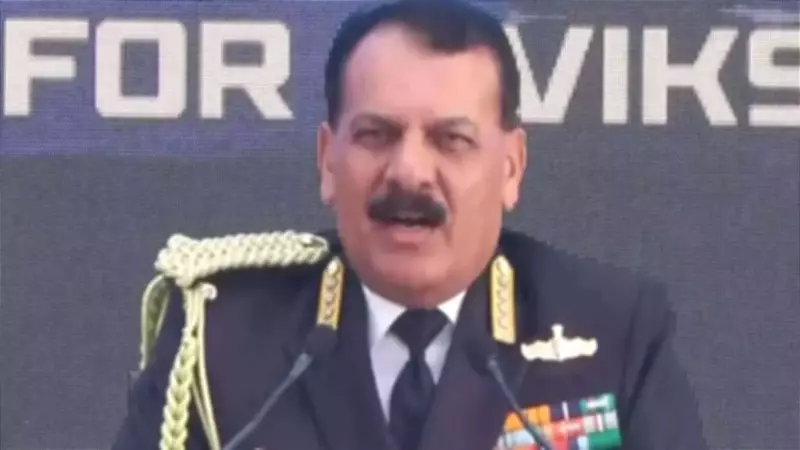
In his opening address at the Commanders' Conference that commenced in New Delhi on Tuesday, Navy Chief Admiral DK Tripathi delivered a stark analysis of the current maritime security environment. He emphasized that multiple factors have converged to create what he described as "an inflection point" for maritime security.
"We are witnessing concurrent conflicts, increasing adversary capabilities, erosion of international institutions, and reduced acquisition costs for non-state actors," Admiral Tripathi stated. "These elements are combining to create a highly-contested operational space for the Indian Navy on a daily basis."

West Asia Disruptions and Interconnected Security Threats
The Navy chief specifically linked the West Asia crisis to maritime traffic disruptions, offering a sobering perspective on global security interdependence. "The situation serves as a powerful reminder that security is interconnected, persistent, and unforgiving," he noted. "Distance from conflict zones does not equate to distance from its consequences, particularly when it comes to maritime trade and energy supply routes."
Global Power Dynamics Shift to Conflict Continuum
Admiral Tripathi provided insight into the evolving global power dynamic, observing a significant shift in international relations. "In just five years, we have moved from a competition continuum to a conflict continuum," he remarked, highlighting the accelerated pace of geopolitical tensions.
The Admiral detailed the multifaceted impacts of ongoing conflicts, noting both economic and military dimensions. He particularly emphasized the growing importance of narrative warfare in shaping conflict perceptions, pointing out that operational outcomes alone no longer determine how conflicts are perceived globally.
Comprehensive Deliberations on Naval Preparedness
During the conference, commanders engaged in detailed discussions covering multiple aspects of naval operations and preparedness:
- Jointness and interoperability with other defense services
- Capability enhancement through modernization and technology adoption
- Maintenance and refit programs for existing fleet assets
- Multi-domain safety practices across air, surface, and underwater operations
- Training and skill development for personnel at all levels
- Foreign cooperation initiatives with partner navies
- Indigenization efforts to boost domestic defense manufacturing
Energy Security and Naval Deployments
A significant portion of the discussions focused on naval deployments specifically designed to protect India's energy security interests amid the West Asia conflict. Commanders examined strategic positioning and operational readiness to ensure the uninterrupted flow of energy resources through critical sea lanes.
The comprehensive review reflects the Navy's proactive approach to addressing emerging security challenges while maintaining its commitment to protecting national interests in increasingly complex maritime environments.






