Nepal Election Commission Cracks Down on Child Involvement in Political Campaigns
In a significant move to uphold electoral integrity and protect minors, the Election Commission of Nepal has issued a formal warning against the involvement of children in political campaigns. This directive targets all political parties and candidates participating in upcoming elections, emphasizing the need for ethical conduct and compliance with legal standards.
Strict Prohibition and Legal Implications
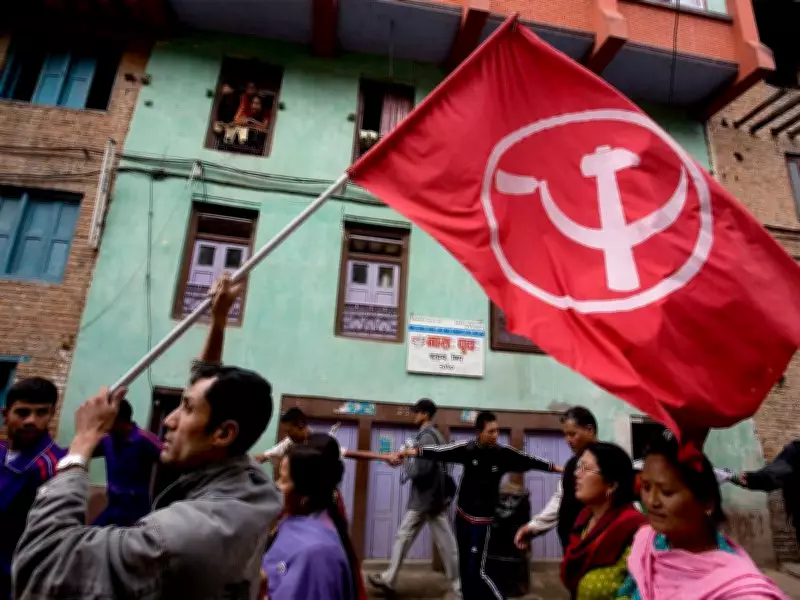
The commission has explicitly prohibited the use of children in any campaign-related activities, including rallies, door-to-door canvassing, or promotional events. Officials stated that such practices not only exploit minors but also violate national laws and international conventions on child rights. Any party found engaging children in campaigns will face strict legal action, including potential disqualification or fines, as per electoral regulations.
Background and Rationale for the Warning
This warning comes amid growing concerns over the exploitation of children in Nepal's political landscape. Historically, there have been reports of minors being used to garner sympathy votes or to amplify campaign messages, often without proper consent or safeguards. The Election Commission's action aims to curb these unethical practices and ensure that elections are conducted in a fair and transparent manner. By focusing on child protection, the commission seeks to align Nepal's electoral processes with global human rights standards.

Impact on Political Parties and Campaign Strategies
Political parties are now required to review and adjust their campaign strategies to exclude any involvement of children. This includes:
- Avoiding the use of children in advertisements or public appearances.
- Ensuring that campaign materials do not feature minors in promotional roles.
- Educating party workers on the legal and ethical implications of involving children.
The commission has urged parties to adopt alternative methods, such as engaging adult volunteers or using digital platforms, to reach voters without compromising child welfare.
Public and International Response
The warning has garnered positive reactions from child rights advocates and international observers, who view it as a step toward safeguarding vulnerable groups in Nepal's democracy. However, some critics argue that enforcement mechanisms need strengthening to ensure compliance. The Election Commission has assured that monitoring teams will be deployed to oversee campaign activities and address violations promptly.
Overall, this directive underscores Nepal's commitment to ethical elections and child protection, setting a precedent for other nations grappling with similar issues in political campaigns.