

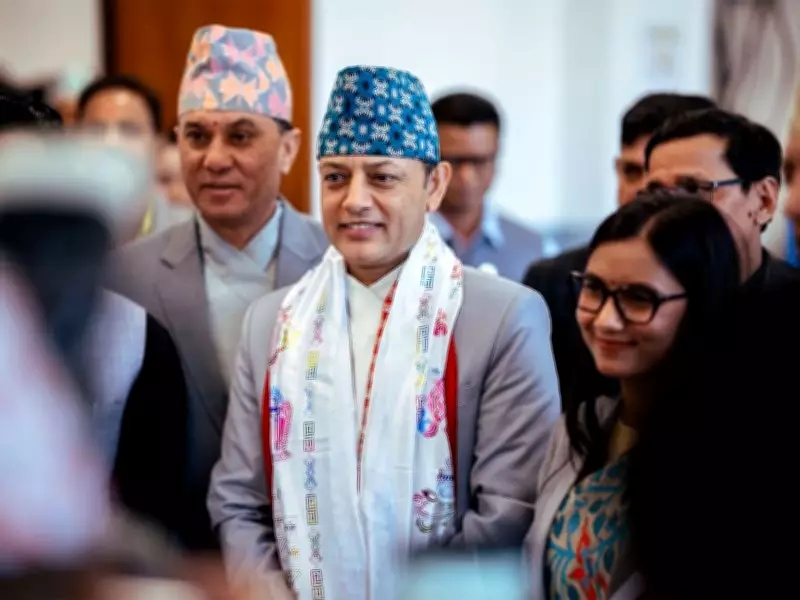
Nepal's Parliament Achieves Unanimous Consensus in Speaker Election
In a landmark development for Nepal's political landscape, the House of Representatives has unanimously elected DP Aryal as the new Speaker of the House. This decision, reached without any opposition, underscores a rare moment of unity within the country's parliamentary framework and sets a positive tone for future legislative sessions.
A Historic Unanimous Vote
The election process was conducted smoothly, with all members of the House of Representatives casting their votes in favor of DP Aryal. This unanimous outcome is particularly noteworthy given Nepal's often fractious political environment, highlighting a collective commitment to parliamentary decorum and effective governance. The session, which was closely monitored by political analysts and citizens alike, proceeded without any disruptions, reflecting a mature approach to democratic processes.
DP Aryal's Background and Political Journey
DP Aryal, a seasoned politician with extensive experience in Nepal's legislative affairs, brings a wealth of knowledge to the role of House Speaker. His career has been marked by a dedication to public service and a focus on issues such as governance reform, economic development, and social justice. As Speaker, Aryal is expected to oversee parliamentary debates, ensure adherence to procedural rules, and facilitate constructive dialogue among diverse political factions.

In his new capacity, DP Aryal will play a crucial role in steering the House of Representatives through upcoming legislative agendas, including discussions on national policies, budget approvals, and constitutional matters. His election is seen as a step toward enhancing parliamentary efficiency and fostering bipartisan cooperation, which could have far-reaching implications for Nepal's political stability and democratic consolidation.
Implications for Nepal's GovernanceThe unanimous election of DP Aryal as House Speaker is likely to bolster public confidence in Nepal's political institutions. It signals a potential shift toward more collaborative politics, which could help address pressing national challenges such as economic recovery, infrastructure development, and social welfare programs. Observers note that this event may set a precedent for future parliamentary elections, encouraging a culture of consensus-building over partisan strife.
Reactions from Political Circles and Beyond
Following the announcement, reactions from various political parties and stakeholders have been largely positive. Many have praised the House of Representatives for achieving unanimity, viewing it as a testament to Nepal's evolving democratic maturity. International observers have also taken note, with some suggesting that this development could strengthen Nepal's position on the global stage by demonstrating its commitment to stable and inclusive governance.
As DP Aryal assumes his duties, the focus now shifts to how he will navigate the complexities of Nepal's parliamentary dynamics. His leadership will be closely watched, with expectations high for a tenure marked by fairness, transparency, and progress in legislative matters.






