In a significant development aimed at breaking a prolonged political stalemate, Nepal's two foremost political figures, KP Sharma Oli and Sher Bahadur Deuba, held a direct meeting on Tuesday. This marked their first face-to-face discussion since the country was rocked by a widespread Gen Z-led uprising in September 2024.
A Crucial Meeting Amidst Political Tensions
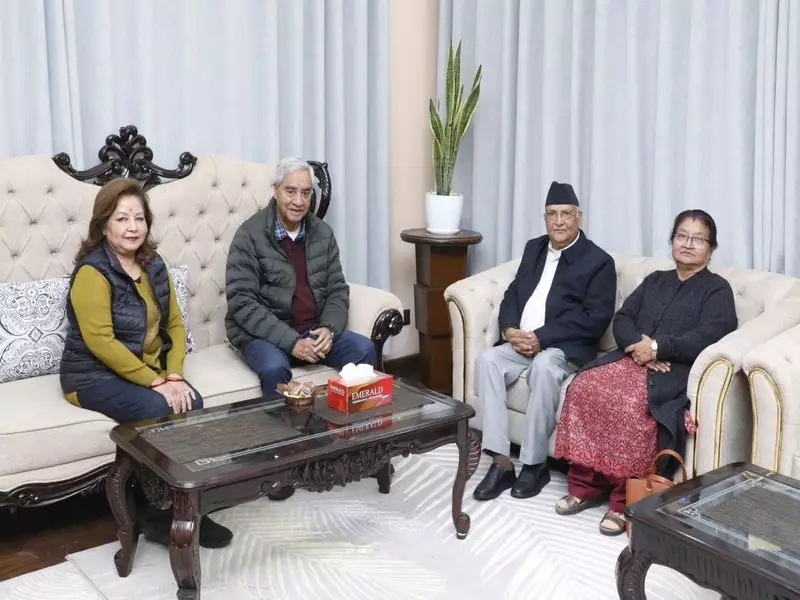
The meeting, which took place at the official residence of the Prime Minister in Baluwatar, saw the chairman of the CPN-UML, KP Sharma Oli, and the president of the Nepali Congress, Sher Bahadur Deuba, engage in talks for approximately one hour. The encounter is seen as a critical step towards dialogue, coming after months of political friction and public unrest. The discussions were described as focused on the current political situation and finding a way forward for the nation.
This high-level interaction follows a period where the Nepali Congress had been actively boycotting parliamentary proceedings. Their protest was against the ruling coalition's move to table a constitution amendment bill, a proposal that has sparked intense debate and was a central catalyst for the youth protests. The meeting signals a potential thaw in the icy relations between the major parties.

The Backdrop of Youth-Led Protests
The context for this meeting is deeply rooted in the seismic "Gen Z uprising" of September 2024. Thousands of young Nepalis took to the streets in a spontaneous, leaderless movement expressing profound dissatisfaction with the established political class. Their grievances were multifaceted, targeting perceived corruption, poor governance, and a political system they view as unresponsive to the needs of the younger generation.
A primary trigger for the protests was the government's initiative to amend the constitution. Protesters and opposition parties, including Deuba's Nepali Congress, argued that the proposed changes were politically motivated and could undermine the federal structure and democratic gains. The protests created immense pressure on the government led by Prime Minister Pushpa Kamal Dahal 'Prachanda', who relies on Oli's UML as a key coalition partner.
Pathways to Resolution and Future Implications
The outcome of the Oli-Deuba meeting is being closely watched as a barometer for Nepal's immediate political future. While the talks were largely termed as an ice-breaker, they are expected to set the stage for more formal negotiations. Key issues on the table likely include the fate of the contentious constitution amendment bill, the conditions for the Nepali Congress's return to Parliament, and addressing the core demands raised by the protest movement for systemic reform.
Political analysts suggest that for lasting stability, the major parties must find a consensus that goes beyond power-sharing and addresses the calls for transparency and accountability echoed by the youth. The ability of traditional leaders like Oli and Deuba to credibly respond to this new, digitally-savvy wave of political activism remains a central challenge. Their meeting, though a preliminary step, is a necessary move to prevent further institutional paralysis and social unrest.
The international community, particularly neighbours India and China, are also observing these developments with keen interest, as political stability in Nepal is crucial for regional geopolitics. The coming days will reveal whether this dialogue evolves into a concrete roadmap for resolving the constitutional crisis and healing the deep-seated public distrust exposed by the historic Gen Z protests.