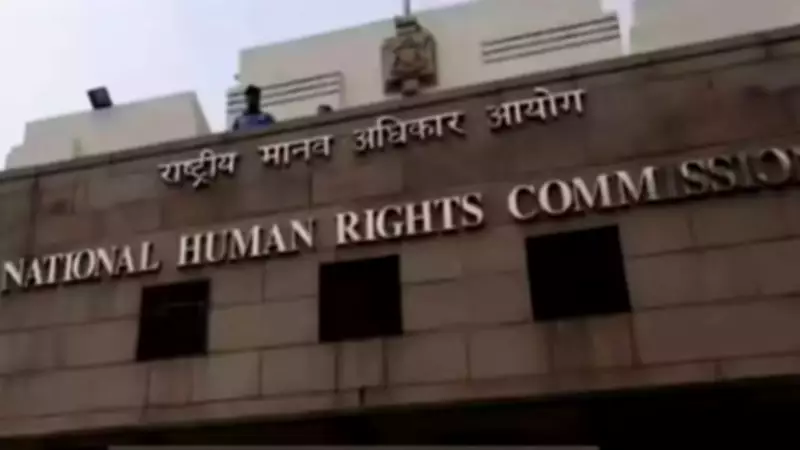
NHRC Intervenes in Nagabali River Bridge Crisis, Demands Reports from Odisha Authorities
The National Human Rights Commission (NHRC) has escalated its scrutiny over the prolonged absence of a permanent bridge across the Nagabali River in Odisha, issuing directives for comprehensive reports from both the Odisha Human Rights Commission (OHRC) and the Rayagada district administration. This action aims to address the severe isolation faced by nine tribal villages in the Kalyansinghpur block of Rayagada district, which have been cut off from essential services for decades.
Commission's Order and Background of the Complaint
In a decisive move on Thursday, the NHRC responded to a complaint filed by Jeypore-based human rights defender Anup Kumar Patro, who highlighted administrative indifference towards the villagers' demands. The complaint, referencing media reports, underscores the critical need for a permanent bridge to improve connectivity and ensure access to drinking water, education, healthcare, and transportation facilities. The NHRC had initially taken cognizance of this matter on October 1, 2025, requesting a detailed report from the Rayagada district magistrate.
Previous Reports and NHRC's Dissatisfaction
In response to the earlier directive, the collector and district magistrate of Rayagada submitted reports on January 8, 2026, from various authorities including the Zilla Parishad, district manager OSRTC, and regional transport officer. These documents outlined the current status of road connectivity, transport services, and the availability of education, drinking water, and health facilities in the affected villages. However, after reviewing these submissions, the NHRC found them insufficient, prompting a call for an "additional and complete report" by March 29, 2026, for further consideration.

Specific Instructions and Timeline for Compliance
The commission's order, dated February 19, explicitly requires the OHRC to report on whether it has taken cognizance of the issue and the date of such action. Authorities have been instructed to upload their responses through the HRCNet portal using official login credentials, with a strict warning that reports sent via email will not be accepted. Audio or video materials may be submitted via Speed Post or by hand. The matter is scheduled to be reviewed again after four weeks, emphasizing the urgency of the situation.
Impact on Villages and Historical Context
The affected villages, located under three panchayats—Sikaripai (Tolosaja, Uppersaja), Palam (Argonda, Mandipar, Kusabati), and Majhiguda (Minajhola, Kuradi, Katapadu, Raghunathpur)—have remained disconnected from the mainland since Independence. Villagers continue to struggle with limited access to healthcare, education, drinking water, and other essential services, highlighting a persistent failure in infrastructure development over 76 years post-Independence. This isolation has exacerbated socio-economic challenges for the tribal communities residing in these areas.
The NHRC's intervention signals a critical step towards accountability and potential resolution, as the commission seeks to ensure that human rights are upheld through improved governance and infrastructure in Odisha's remote regions.