North Korea Escalates Tensions with Ballistic Missile Launches
In a significant escalation of regional tensions, North Korea fired multiple short-range ballistic missiles on Wednesday, according to South Korea's military. This provocative act comes just hours after Seoul reported detecting an "unidentified projectile" launched from the North's capital area the previous day. The launches are widely interpreted by analysts as North Korea's latest rebuff of South Korea's recent peace overtures, signaling a firm anti-South stance despite diplomatic efforts.
Details of the Missile Launches
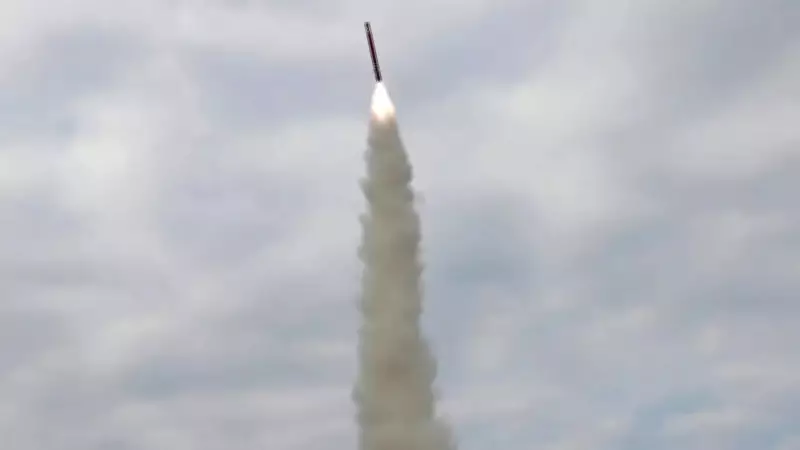
South Korea's military provided a detailed timeline of the events. Early on Wednesday, they detected "an unidentified projectile" fired from the Pyongyang area, which had occurred a day earlier. Approximately one hour later, the military confirmed the launch of "multiple unidentified ballistic missiles" from North Korea's Wonsan area, directed toward the East Sea, also known as the Sea of Japan. Later clarifications identified these as short-range ballistic missiles, launched at around 8:50 am local time (23:50 GMT), with a flight distance of approximately 240 kilometers (149 miles).
This incident marks North Korea's fourth known ballistic missile test in the current year, following a previous salvo of around 10 missiles fired from the Sunan area in March. The repeated tests underscore Pyongyang's continued defiance of international norms and United Nations Security Council resolutions.

South Korea's Response and Diplomatic Context
In response to the launches, the Office of National Security at South Korea's presidential Blue House convened an emergency meeting. They issued a strong statement, urging North Korea to immediately cease its ballistic missile activities, which they labeled as a provocative act violating UN resolutions. The office also emphasized the need for heightened vigilance, particularly in light of the ongoing conflict in the Middle East, instructing relevant agencies to maintain a state of readiness.
These missile firings occur against a backdrop of strained inter-Korean relations. South Korean President Lee Jae Myung, who took office last year, has actively sought to repair ties with North Korea. He has criticized his predecessor for allegedly sending drones to scatter propaganda over Pyongyang. Recently, President Lee expressed regret over civilian drone incursions into North Korea in January, calling the operation "irresponsible" and acknowledging government involvement.
Initially, North Korea responded positively to this gesture. Kim Yo Jong, the powerful sister of North Korean leader Kim Jong Un, described Lee's regret as "wise behaviour" and appreciated it as fortunate. However, this brief moment of diplomacy was short-lived.
North Korea's Hardline Stance and International Reactions
On Tuesday, a senior North Korean foreign ministry official, Jang Kum-chol, issued a statement carried by the official Korean Central News Agency, reiterating that South Korea is "the enemy state most hostile" to North Korea. He dismissed South Korean media reports that viewed Kim Yo Jong's comments favorably as "nonsense" and warned that such interpretations would be recorded as "world-startling fools."
According to Lim Eul-chul, an expert on North Korea at Kyungnam University, the consecutive missile firings and recent statements highlight Pyongyang's determination to ignore Seoul's attempts at improving inter-Korean ties. He noted that this is a clear message that North Korea's anti-South stance remains firm despite repeated overtures from the South.
The international dimension adds complexity to the situation. US President Donald Trump has recently criticized South Korea's level of support for his policies, including in Iran, and boasted of his personal relationship with Kim Jong Un. Trump mentioned that Kim has said "very nice things" about him and previously insulted political rivals. The United States maintains approximately 28,500 troops in South Korea, a presence Trump has questioned.
Trump and Kim have met three times during Trump's first term, and there has been speculation about a potential re-engagement. However, Trump's comment in October expressing openness to another meeting went unanswered, possibly due to Pyongyang's growing closeness to Russia, which may have emboldened its actions.

Overall, the missile launches represent a significant challenge to regional stability, demonstrating North Korea's unwavering hostility and complicating diplomatic efforts by South Korea and its allies.