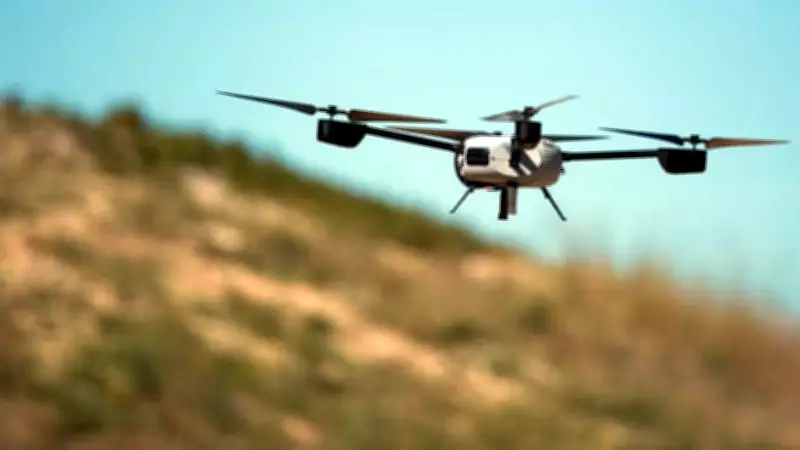
Operation Sindoor: A Catalyst for India's Indigenous Drone Revolution
In a significant stride toward bolstering national security, India's Operation Sindoor has emerged as a pivotal force in accelerating the development of indigenous drones and advanced counter-drone measures. This strategic initiative, launched by the Indian defense establishment, aims to reduce dependency on foreign technology and enhance self-reliance in critical defense sectors. The operation has not only spurred innovation but also positioned India as a formidable player in the global drone technology landscape.
Key Achievements in Indigenous Drone Development
Under Operation Sindoor, several key milestones have been achieved in the realm of drone manufacturing and deployment. These include:
- Enhanced Surveillance Capabilities: The development of high-altitude, long-endurance drones capable of monitoring borders and sensitive areas with precision.
- Combat-Ready Drones: Indigenous unmanned aerial vehicles equipped with advanced payloads for reconnaissance and tactical operations.
- Collaborative Efforts: Partnerships between defense research organizations and private sector companies to fast-track production and innovation.
These advancements underscore India's commitment to leveraging homegrown technology for defense preparedness, reducing vulnerabilities associated with imported systems.

Strengthening Counter-Drone Measures
Parallel to drone development, Operation Sindoor has focused on fortifying counter-drone measures to address emerging security threats. Key initiatives in this domain include:
- Detection Systems: Deployment of radar and sensor-based technologies to identify unauthorized drone activities in real-time.
- Neutralization Techniques: Development of jamming and interception systems to disable hostile drones effectively.
- Policy Frameworks: Implementation of regulatory guidelines to govern drone usage and enhance airspace security.
These measures are crucial in safeguarding critical infrastructure, public events, and military installations from potential drone-based threats, ensuring a robust defense ecosystem.
Impact on National Security and Economy
The accelerated progress under Operation Sindoor has far-reaching implications for India's security and economic landscape. By fostering indigenous innovation, the operation:
- Reduces reliance on foreign defense imports, saving valuable foreign exchange and boosting economic self-sufficiency.
- Creates job opportunities in the defense manufacturing sector, contributing to skill development and technological advancement.
- Enhances strategic autonomy, allowing India to tailor defense solutions to its specific security needs without external constraints.
Moreover, the success of this initiative serves as a model for other nations seeking to develop their defense capabilities through domestic research and development.
Future Prospects and Challenges
Looking ahead, Operation Sindoor is poised to drive further innovations in drone technology and counter-measures. However, challenges such as:
- Ensuring cost-effectiveness in production to make indigenous drones competitive globally.
- Addressing cybersecurity risks associated with drone systems to prevent hacking and data breaches.
- Scaling up manufacturing capabilities to meet the growing demand from defense and civilian sectors.
must be navigated to sustain momentum. Continued investment in research, collaboration with international allies, and adherence to global standards will be key to overcoming these hurdles.
In conclusion, Operation Sindoor stands as a testament to India's resolve in advancing its defense technology frontier. By accelerating indigenous drone development and counter-drone measures, it not only strengthens national security but also paves the way for a self-reliant and technologically advanced defense industry. As the operation progresses, its outcomes are expected to resonate across global defense circles, showcasing India's prowess in innovation and strategic preparedness.