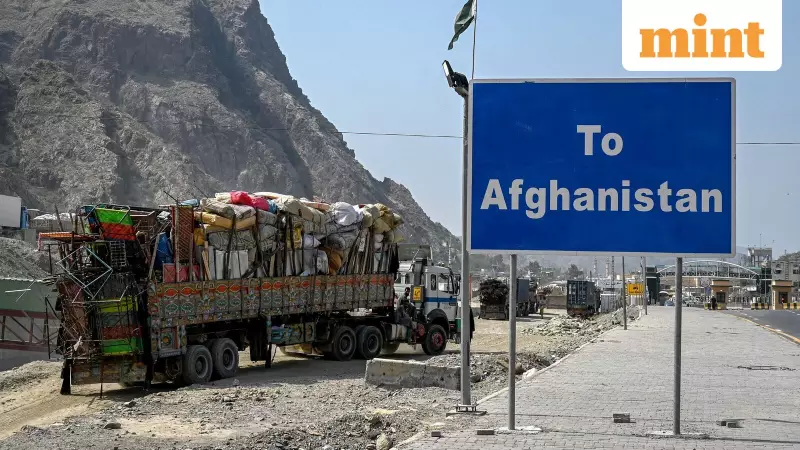
Peace Negotiations Reach Complete Deadlock
The much-anticipated peace talks between Pakistan and the Afghan Taliban have reached a complete impasse, with both sides failing to reach any agreement during the third round of negotiations held in Doha. Pakistan's Defence Minister Khawaja Asif confirmed on Friday that the discussions have been suspended indefinitely, marking a significant setback in regional diplomatic efforts.
Why the Talks Failed
The core disagreement centered around Pakistan's demand for a written commitment from Kabul to take concrete action against Tehreek-i-Taliban Pakistan (TTP) militants. According to sources familiar with the negotiations, the Afghan delegation, while verbally agreeing with Pakistan's concerns, refused to put their assurances in writing.
The third round of talks began on Thursday and continued for two days, but concluded without any breakthrough. This follows two previous unsuccessful attempts at reconciliation. The initial round commenced on October 29 in Doha, mediated by both Qatar and Turkiye, following armed clashes between October 11 and 15 that resulted in casualties on both sides.

Despite the involvement of international mediators and consecutive meetings, including a second round in Istanbul on October 25, all negotiation efforts have remained fruitless. The pattern of failed talks highlights the deep-seated tensions between the neighboring nations.
Pakistan's Firm Stance
Defence Minister Khawaja Asif, speaking to a private TV channel on Friday night, left no ambiguity about Pakistan's position. "There is a complete deadlock. The negotiations have entered an indefinite phase," he stated unequivocally.
The minister expressed gratitude toward Turkiye and Qatar for their "sincere efforts" to mediate the tensions but indicated that even the mediators had lost hope. "If they had even a little optimism, they would have asked us to stay. Our return empty-handed shows that even they have given up on Kabul," Asif remarked.
He emphasized that Pakistan would accept only a formal, written accord, rejecting the Afghan delegation's preference for verbal assurances. "They wanted verbal assurances to be accepted, which is not possible in international negotiations," the Defence Minister explained, underscoring the fundamental diplomatic principle that led to the breakdown.
Security Implications and Future Outlook
Minister Asif reiterated Pakistan's non-negotiable demand: Afghanistan must ensure its soil is not used for attacks on Pakistan. He issued a clear warning that Pakistan would respond proportionately if provoked from across the border.
"If there is any attack from Afghan soil, we will respond accordingly," Asif declared, while also clarifying that the ceasefire would remain intact as long as no aggression occurs. This statement outlines Pakistan's conditional approach to maintaining border peace.
The collapse of these talks represents a significant challenge for regional stability, particularly in addressing the persistent issue of cross-border terrorism that has plagued relations between Pakistan and the Afghan Taliban government.