

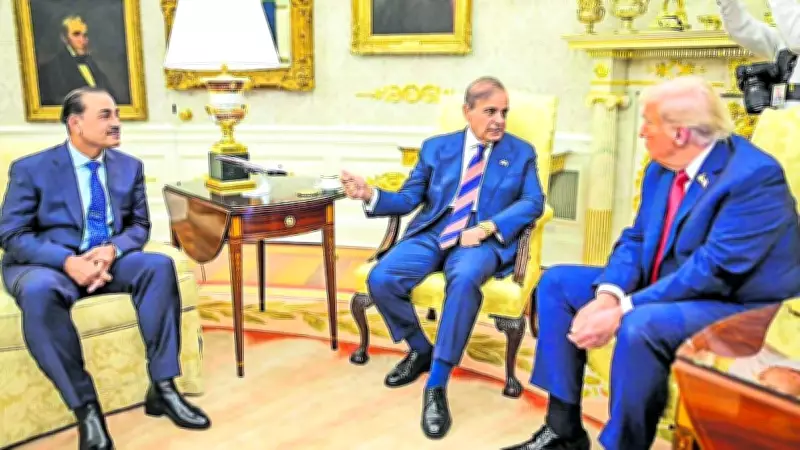
Pakistan Aims to Emerge as a Global Peace Mediator Through Strategic Diplomacy
In a significant diplomatic maneuver, Pakistan is actively leveraging its established relationships with both the United States and Iran to position itself as a potential peacebroker in international affairs. This strategic initiative, if successful, could dramatically enhance Pakistan's global standing and influence on the world stage.
Utilizing Bilateral Ties for Mediation Efforts
Pakistan's diplomatic outreach focuses on capitalizing on its unique position as a nation with strong connections to both Western powers like the United States and regional players such as Iran. By fostering dialogue and facilitating negotiations between conflicting parties, Pakistan aims to demonstrate its capability as a neutral and effective mediator in complex geopolitical disputes.
Historical Precedent and Future Ambitions
The potential success of these mediation efforts could propel Pakistan's international prominence to heights not achieved since its pivotal role in the secret diplomatic opening that led to US President Richard Nixon's historic visit to China in 1972. That earlier achievement showcased Pakistan's ability to bridge divides between major global powers, and current leaders are seeking to replicate that diplomatic triumph in contemporary contexts.

Key aspects of Pakistan's peacebroker strategy include:
- Maintaining open channels of communication with both US and Iranian officials
- Positioning itself as a trustworthy intermediary in regional conflicts
- Leveraging cultural and historical ties to build consensus among disputing parties
- Demonstrating diplomatic finesse in navigating complex international relationships
Global Implications and Regional Stability
Should Pakistan succeed in facilitating meaningful talks between conflicting nations or factions, it would not only bolster its own international reputation but also contribute significantly to regional stability and global peace efforts. This diplomatic push represents a calculated effort to transform Pakistan from a participant in international affairs to a shaper of geopolitical outcomes, using dialogue and negotiation as primary tools.
The international community is closely monitoring these developments, recognizing that effective mediation could address longstanding conflicts and create new opportunities for cooperation. Pakistan's dual-track diplomacy with both Western and regional partners positions it uniquely to understand multiple perspectives and find common ground where others have failed.






