

Pakistan Facilitates Cross-Border Pilgrimage with Over 2,800 Visas for Indian Devotees
In a significant move to promote religious harmony, Pakistan's High Commission in New Delhi has issued more than 2,800 visas to Indian pilgrims for the upcoming Baisakhi celebrations. The pilgrimage is scheduled to take place in Pakistan from April 10 to 19, 2024, allowing devotees to participate in spiritual observances and visit sacred sites.
Pilgrims to Explore Major Sikh Religious Sites
During their stay, the Indian pilgrims are expected to travel to several key Sikh religious sites across Pakistan. These include:
- Gurdwara Panja Sahib, known for its historical significance and spiritual ambiance.
- Gurdwara Nankana Sahib, the birthplace of Guru Nanak, founder of Sikhism.
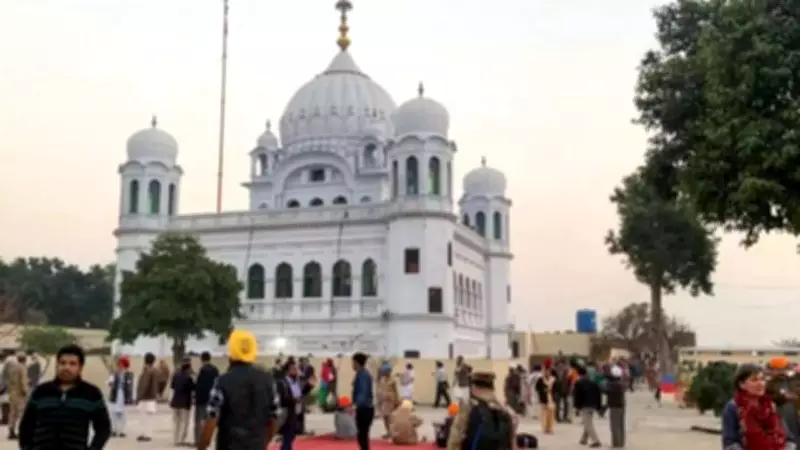
- Gurdwara Kartarpur Sahib, where Guru Nanak spent his final years, offering a profound connection to Sikh heritage.
This annual pilgrimage is part of established cross-border religious travel between India and Pakistan, fostering cultural and spiritual exchanges.

Official Greetings and Commitment to Harmony
Extending warm greetings on the occasion, Pakistan’s Charge d’Affaires in India, Saad Ahmad Warraich, emphasized the importance of this visit. He stated, "We wish the pilgrims a fulfilling and spiritually rewarding stay in Pakistan." He further added, "This visit is an affirmation of Pakistan's abiding commitment to promote interreligious and intercultural harmony and understanding."
These remarks highlight Pakistan's ongoing efforts to strengthen bilateral ties through shared religious traditions and mutual respect.
Comprehensive Arrangements for a Safe and Meaningful Visit
The High Commission has assured that all necessary arrangements have been meticulously put in place to ensure the pilgrims' visit is safe, organized, and spiritually enriching. Key provisions include:
- Travel logistics, ensuring smooth transportation between sites.
- Accommodation facilities, providing comfortable stays for the duration of the pilgrimage.
- Access to religious sites, with arrangements made for seamless entry and participation in ceremonies.
These measures are designed to uphold the sanctity of the pilgrimage and enhance the overall experience for the devotees.
Governed by Bilateral Protocol on Religious Travel
The pilgrimage is conducted under the Bilateral Protocol on Visits to Religious Shrines, 1974, which governs religious travel between India and Pakistan. This protocol serves as a foundational framework for such exchanges, ensuring structured and regulated visits that respect the religious sentiments of both nations.
By adhering to this protocol, both countries demonstrate a shared commitment to facilitating peaceful and meaningful religious interactions, despite broader geopolitical tensions.






