Pakistan has officially received an invitation to participate in upcoming high-stakes talks between Iran and the United States, scheduled to take place on Friday in Turkey. These discussions are specifically aimed at easing the escalating tensions between the two nations, with a primary focus on de-escalation and conflict prevention.
Pakistan's Diplomatic Role Confirmed
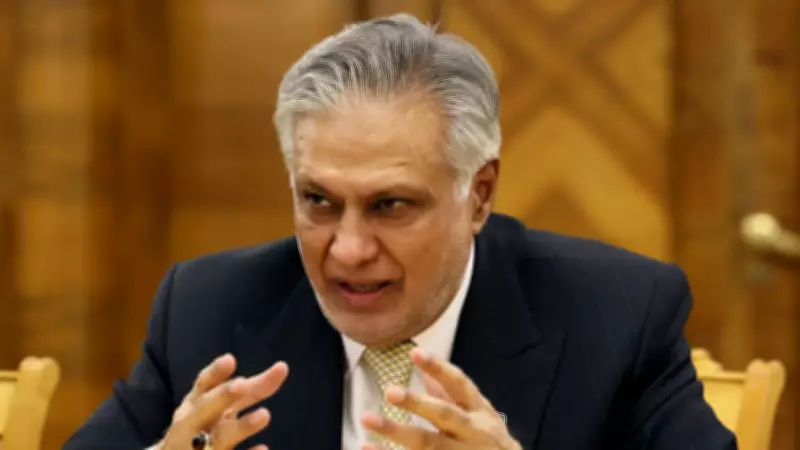
Pakistan's foreign office spokesperson, Tahir Andrabi, confirmed the invitation while responding to media queries, as reported by Dawn newspaper. According to diplomatic sources cited by the publication, Pakistan's deputy prime minister and foreign minister, Ishaq Dar, is expected to represent the country at the meeting. Islamabad's participation is viewed as particularly significant given Pakistan's strategic regional position and diplomatic relationships.
Regional Powers Gather for Crucial Dialogue
An Arab official speaking anonymously to AFP confirmed that the meeting is likely to be held in Turkiye on Friday, though the exact format remains unclear. According to a regional official who spoke with Reuters, several regional powers have been invited at the foreign ministers' level to participate in these crucial discussions.

The invited countries reportedly include:
- Pakistan
- Saudi Arabia
- Qatar
- Egypt
- Oman
- United Arab Emirates (UAE)
Nuclear Programme Takes Center Stage
US outlet Axios, citing multiple sources including a US official, reported that Iranian Foreign Minister Abbas Araghchi is expected to meet with US envoy Steve Witkoff in Istanbul. The discussions are anticipated to focus on a potential agreement related to Iran's controversial nuclear programme, which has been a persistent source of international concern and sanctions.
Iranian President Masoud Pezeshkian confirmed on Tuesday that he had instructed Araghchi to pursue what he described as "fair and equitable negotiations" in an environment "free from threats and unreasonable expectations." In posts on social media platform X, the Iranian president emphasized that the talks would be conducted "within the framework of our national interests."
Mixed Signals from Washington and Tehran
US President Donald Trump expressed optimism about potentially "working something out" with Iran but issued a stern warning on Monday that "bad things would happen" if no agreement could be reached. This dual approach reflects the complex diplomatic landscape surrounding these negotiations.
In a recent interview with CNN, Iranian Foreign Minister Araghchi stated: "President Trump said no nuclear weapons, and we fully agree. We fully agree with that. That could be a very good deal." However, he added a significant condition, stating: "In return, we expect sanctions to be lifted," while also warning that Iran was prepared for war if the talks failed, suggesting any conflict would likely spread beyond Iran's borders.
Turkey's Diplomatic Leadership
Turkey has emerged as a key diplomatic player in efforts to defuse tensions between Iran and the United States. Araghchi visited Istanbul last week and engaged with regional counterparts from countries including Egypt, Saudi Arabia, and Jordan, demonstrating Turkey's active role in facilitating dialogue.
Regional Security Assurances
In a significant development for regional stability, Saudi Arabia and the United Arab Emirates have reportedly assured Tehran that they would not permit their airspace or territory to be used for military action against Iran. Similarly, Jordan has declared it would not serve as a "launching pad" for any such military operations, creating a more secure environment for diplomatic negotiations.
The inclusion of multiple regional powers in these talks reflects a collective approach to preventing conflict escalation in the Middle East. As tensions surrounding Iran's nuclear programme continue to simmer, these diplomatic efforts in Turkey represent a crucial opportunity for dialogue and de-escalation among key stakeholders in the region.