

Pakistan Emerges as Key Mediator in US-Iran-Israel Conflict Through High-Level Diplomacy
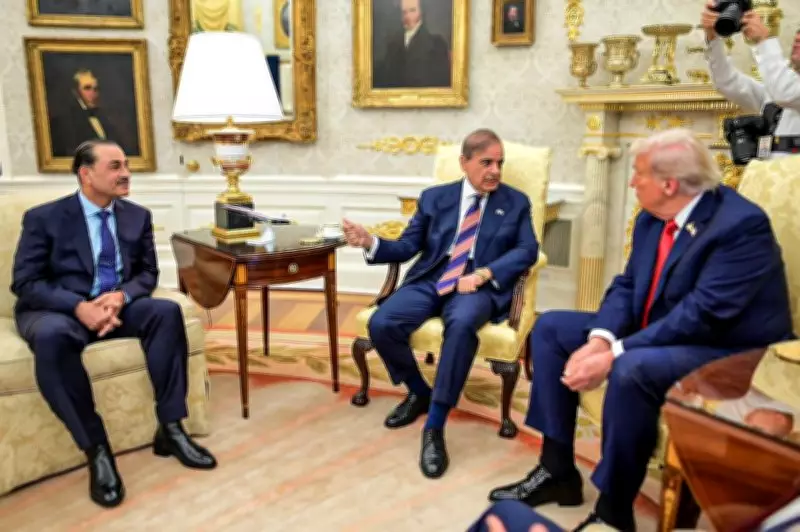
In a significant geopolitical development, Pakistan is actively positioning itself as a crucial mediator to de-escalate tensions in the ongoing conflict involving the United States, Iran, and Israel. According to a report by the UK-based Financial Times, Pakistan's Army Chief, General Asim Munir, recently engaged in discussions with US President Donald Trump, highlighting Islamabad's intensified diplomatic outreach aimed at brokering a peaceful resolution.
Back-Channel Diplomacy and International Collaboration
The report details that Pakistan is spearheading "active back-channel diplomacy" in collaboration with regional allies Turkey and Egypt. This initiative seeks to bridge the widening gap between Washington and Tehran, with efforts reportedly involving key figures such as US Middle East envoy Steve Witkoff and Iran's Foreign Minister Abbas Araghchi. Senior Pakistani officials have been instrumental in facilitating indirect communications between Iranian representatives and prominent US personalities, including Jared Kushner, to foster dialogue and reduce hostilities.
Further bolstering these efforts, Pakistan's Prime Minister Shehbaz Sharif has maintained direct contact with Iranian President Masoud Pezeshkian, underscoring a multi-faceted approach to diplomacy. The Financial Times notes that Pakistan hosted talks earlier this week between senior Trump administration officials and Iranian delegates, although specific details remain confidential due to the sensitive nature of the negotiations.

Credibility and Neutral Stance Strengthen Mediation Role
Pakistan's credibility as a potential mediator is significantly enhanced by its neutral positioning in the conflict. Unlike some regional players, Pakistan has no US military bases on its soil and has avoided direct involvement in the hostilities, allowing it to maintain impartiality and trust among the involved parties. This strategic neutrality, coupled with its historical diplomatic ties, positions Islamabad as a viable and respected intermediary in the complex geopolitical landscape.
In response to these developments, Iran has publicly denied engaging in direct negotiations with the US since the conflict's inception. However, Tehran acknowledged receiving messages through intermediary countries like Pakistan, stating that it has responded in alignment with its established foreign policy positions. Meanwhile, the White House has adopted a cautious stance, declining to elaborate on President Trump's negotiations. A spokesperson emphasized, "These are sensitive diplomatic discussions and the US will not negotiate through the news media," as reported by the Financial Times.
Implications for Regional and Global Stability
The mediation efforts led by Pakistan, in partnership with Turkey and Egypt, represent a proactive attempt to avert further escalation in a conflict that has profound implications for Middle Eastern stability and global security. By leveraging its diplomatic channels and neutral status, Pakistan aims to facilitate dialogue that could pave the way for a ceasefire or long-term peace agreements. As the situation evolves, the international community closely watches these back-channel endeavors, hoping for a breakthrough that mitigates the risks of a broader regional war.






