

Pakistan Minister's 'Evil Cancerous' Remark on Israel Sparks Diplomatic Row Ahead of US-Iran Talks
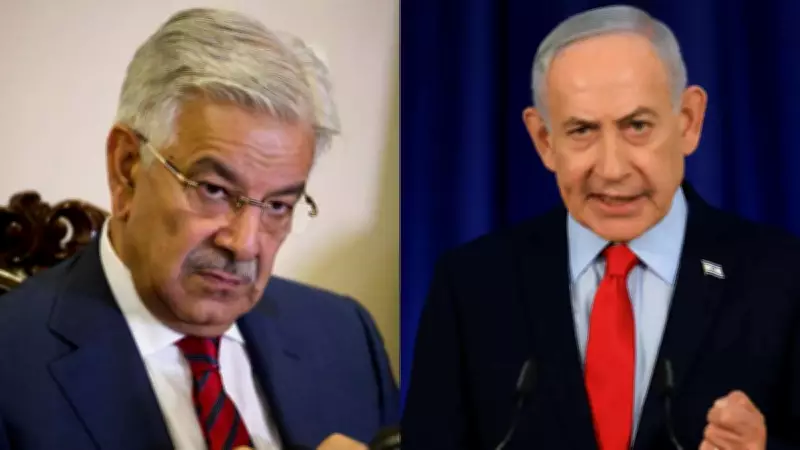
Ahead of crucial US-Iran talks scheduled to be held in Islamabad, a senior Pakistani minister has ignited a diplomatic firestorm by labeling Israel as "evil cancerous." The inflammatory comments, made by Pakistan's Minister for Kashmir Affairs and Gilgit-Baltistan, have drawn a swift and sharp response from Israeli Prime Minister Benjamin Netanyahu, further complicating an already tense regional landscape.
Minister's Provocative Statement and Immediate Fallout
In a public address, the Pakistani minister, whose portfolio focuses on the disputed Kashmir region, launched a verbal assault on Israel, describing it in harsh terms that have been widely condemned as inflammatory and unproductive. The timing of the remarks is particularly sensitive, as they come just days before Islamabad is set to host high-level discussions between the United States and Iran, aimed at addressing longstanding bilateral issues and regional stability.
The minister's statement was not an isolated incident but part of a broader pattern of rhetoric from certain Pakistani officials regarding Israel. However, this specific characterization as "evil cancerous" has escalated tensions significantly, raising concerns about its potential impact on the upcoming diplomatic engagements.

Netanyahu's Forceful Rebuttal and Regional Implications
Israeli Prime Minister Benjamin Netanyahu wasted no time in responding to the Pakistani minister's comments. In a strongly worded statement, Netanyahu condemned the remarks as "baseless and hateful," emphasizing Israel's right to exist and defend itself. He reiterated Israel's commitment to peace and security in the region, while calling out what he described as "inflammatory propaganda" from Pakistani officials.
This exchange highlights the deep-seated animosities and complex geopolitical dynamics at play in South Asia and the Middle East. Pakistan does not officially recognize Israel, and relations between the two countries have historically been strained, often influenced by Pakistan's close ties with Arab states and its stance on the Palestinian issue.
Context of US-Iran Talks in Islamabad
The scheduled US-Iran talks in Islamabad are part of ongoing efforts to ease tensions between the two nations, which have been at odds over issues such as Iran's nuclear program and regional influence. Pakistan, positioning itself as a neutral mediator, has offered to host these discussions, aiming to bolster its diplomatic role in the region.
- Timing and Sensitivity: The minister's remarks risk undermining Pakistan's credibility as a host, potentially casting a shadow over the talks before they even begin.
- Diplomatic Challenges: Such statements could complicate Pakistan's relations with the US, which has been a key ally and partner in various regional initiatives.
- Regional Stability: The incident adds another layer of complexity to an already volatile situation, with implications for peace and security in both South Asia and the Middle East.
Broader Implications for Pakistan's Foreign Policy
This episode raises important questions about Pakistan's foreign policy direction and its handling of sensitive diplomatic matters. While the country seeks to play a constructive role in facilitating US-Iran dialogue, internal rhetoric from government officials may contradict these efforts, leading to perceptions of inconsistency.

- Impact on Bilateral Relations: The comments could strain Pakistan's ties with Israel further, while also affecting its relationships with other nations involved in the region.
- Mediation Credibility: Hosting talks requires a stance of neutrality and restraint; inflammatory statements jeopardize this position.
- Domestic and International Reactions: The incident has sparked debates within Pakistan and drawn international attention, highlighting the need for more measured diplomatic communication.
As the world watches the developments in Islamabad, the focus remains on whether the US-Iran talks can proceed smoothly despite this diplomatic spat. The outcome may hinge on how Pakistan manages its internal messaging and navigates the delicate balance between domestic political posturing and international diplomatic responsibilities.





