

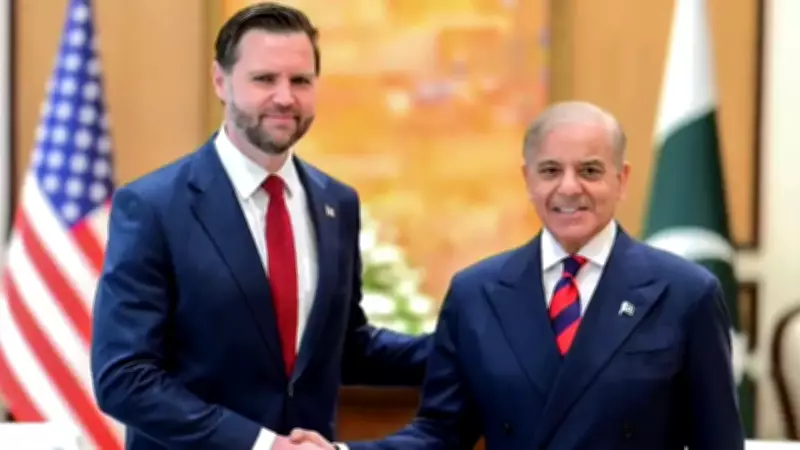
Pakistan Confirms No Dates Set for Second Round of US-Iran Talks
Pakistan's foreign office spokesperson, Tahir Andrabi, clarified on Thursday that no specific dates have been established for the second round of negotiations between the United States and Iran. This announcement comes as diplomatic efforts persist to maintain dialogue between the two nations, despite the absence of a formal schedule for renewed talks.
Details of Delegations and Negotiation Process
When questioned about the potential arrival and composition of delegations for future discussions, Andrabi emphasized that such decisions rest solely with the involved parties. "Who will come, how large the delegation will be, who will stay, and who will leave — this is for the parties to decide," he stated. He further explained that the details and information from the initial negotiations were entrusted to Pakistan by the negotiating sides, underscoring the confidential nature of the process.
Andrabi revealed that the recent talks in Islamabad were intensive, spanning approximately 21 hours of direct discussions, with the overall process extending to about 30 hours when accounting for delegation movements and brief breaks for meals and coffee. "As such, the entire negotiation process was intensive and extensive, both in terms of scope and timelines," he noted, highlighting the thoroughness of the diplomatic engagement.

Nuclear Issues and Confidentiality in Talks
The spokesperson confirmed that nuclear matters are among the key subjects being addressed in the discussions between the countries. However, he refrained from commenting on the specific positions of Tehran or the other parties involved, citing the trust placed in Pakistan by the negotiators. "We will not comment on the positions of Tehran and the parties involved in the negotiations. This is part of the parties’ trust in us," Andrabi said, urging the media to avoid speculation.
He stressed the importance of maintaining secrecy in the talks, stating, "It is essential for us to keep the negotiations confidential." Andrabi added that the discussions are being conducted with a high level of trust, which is crucial for the success of the peace process. He also pointed out that achieving peace in Lebanon is a vital component of the broader peace talks, linking regional stability to the ongoing diplomatic efforts.
Background on the Initial Talks and Sticking Points
The United States and Iran engaged in rare direct talks in Pakistan over the weekend, aiming to resolve their longstanding conflict. However, the discussions concluded early on Sunday without reaching any agreement. US Vice President JD Vance, who led the American delegation, attributed the failure to Tehran's refusal to abandon its nuclear program, identifying it as a major obstacle.
In contrast, Iran blamed the breakdown on what it described as "excessive demands" from the American side. Ghalibaf, the head of the Iranian delegation during the marathon peace talks, claimed that his team presented "forward-looking initiatives," but the US failed to gain the trust of the Iranian delegation in that round of negotiations.
Despite the lack of a deal in the first round, both sides continue to express a willingness to engage in further dialogue, with Pakistan playing a facilitative role in the process. The ongoing efforts underscore the complexity of the issues at hand and the challenges in bridging the gaps between the two nations.






