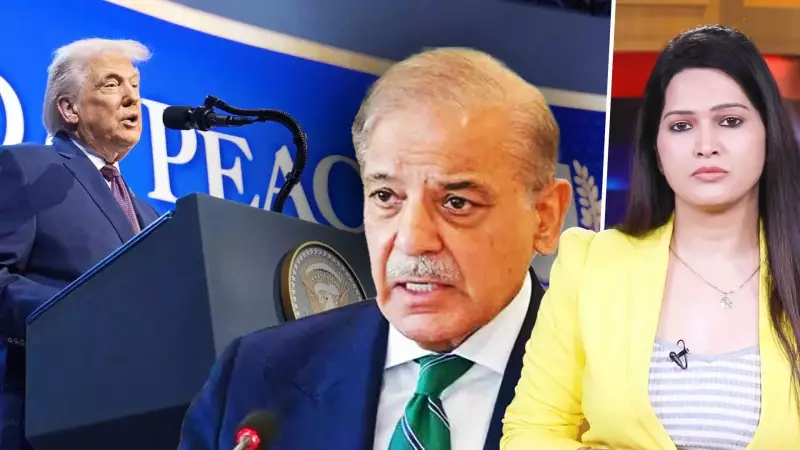
Pakistan's Billion-Dollar Diplomatic Gamble Amid Economic Turmoil
In a move that has sparked widespread debate and criticism, Pakistan has reportedly agreed to pay approximately one billion dollars to secure a permanent seat on former US President Donald Trump's newly proposed 'Board of Peace' focused on Gaza. This decision comes at a time when the nation is grappling with severe economic challenges, including high inflation, mounting debt, and sluggish growth.
A Costly Quest for Global Visibility
While Islamabad seeks urgent financial assistance from the United Arab Emirates (UAE) and continues to rely on support from the International Monetary Fund (IMF), the allocation of such a substantial sum for diplomatic optics has raised serious questions. Critics argue that this expenditure highlights a troubling prioritization, where the pursuit of international recognition overshadows pressing domestic economic needs.
Foreign Minister Ishaq Dar has defended the move, stating it represents Pakistan's commitment to supporting peace efforts in Gaza. However, many analysts and observers contend that true diplomatic credibility stems from economic stability and strength at home, rather than purchased memberships on global platforms.

The Irony of Borrowed Prestige
The situation presents a striking irony: a country in the midst of an economic crisis is effectively funding its diplomatic ambitions with borrowed money. This approach not only strains Pakistan's already fragile finances but also underscores deeper structural issues within its economy, which remains heavily dependent on external bailouts and aid.
From an Indian perspective, this development reinforces a long-standing critique of Pakistan's foreign policy strategy. Observers note that Islamabad's leadership often appears to confuse visibility with genuine value, opting for high-profile gestures that may not translate into tangible benefits for its citizens or long-term strategic advantages.
Broader Implications and Regional Context
This billion-dollar commitment to Trump's peace initiative occurs against a backdrop of shifting global alliances and economic pressures. As Pakistan navigates its relationships with key partners like the UAE and the IMF, this decision could influence how international donors and financial institutions perceive its fiscal responsibility and governance priorities.
The move also invites comparisons with regional dynamics, where economic pragmatism often guides diplomatic engagements. In contrast, Pakistan's choice to invest heavily in a symbolic seat at the table, while struggling to meet basic economic indicators, highlights a potential misalignment between its aspirations and realities.
Ultimately, this episode serves as a poignant reminder of the complex interplay between diplomacy and economic health. As Pakistan seeks to bolster its global standing, the effectiveness of such costly maneuvers in achieving sustainable peace or economic recovery remains a subject of intense scrutiny and debate.