

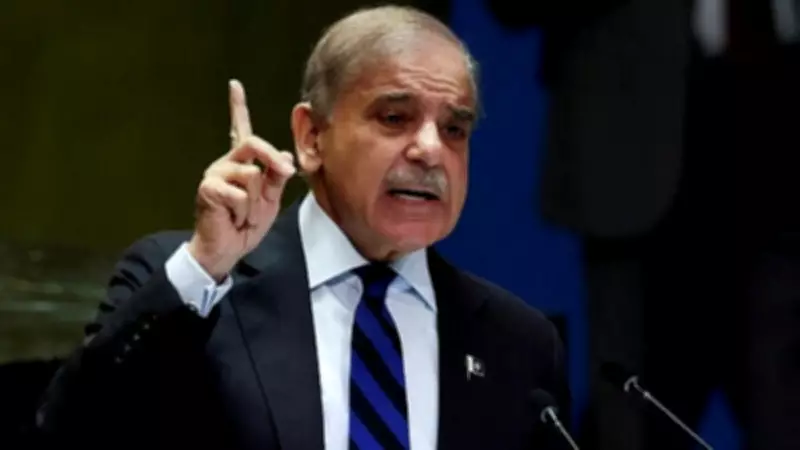
Pakistan PM Shehbaz Sharif Proposes Mediation Role for US-Iran Dialogue
In a significant diplomatic move, Pakistan's Prime Minister Shehbaz Sharif has publicly declared his country's willingness to act as a mediator and host for talks between the United States and Iran. This announcement underscores Pakistan's intent to play a constructive role in easing longstanding tensions in the Middle East region.
Sharif's Statement on Facilitating Bilateral Engagement
Prime Minister Shehbaz Sharif emphasized that Pakistan stands ready to provide a neutral platform for dialogue between the two nations. He highlighted the importance of diplomatic engagement in resolving conflicts and promoting stability, noting that Pakistan has historical ties and strategic interests with both the US and Iran.
This offer comes at a time of heightened geopolitical friction, with ongoing disputes over nuclear programs, regional influence, and economic sanctions. Sharif's proposal aims to bridge gaps and foster communication, potentially paving the way for more formal negotiations in the future.

Potential Implications for Regional and Global Diplomacy
The initiative could have far-reaching effects on international relations. If accepted, it might:
- Reduce hostilities and prevent escalation in the Middle East.
- Enhance Pakistan's diplomatic stature as a peacemaker.
- Influence global security dynamics by addressing key issues like nuclear non-proliferation.
Analysts suggest that such mediation efforts could help de-escalate tensions, but success would depend on the willingness of both the US and Iran to engage in substantive talks. Pakistan's role as an intermediary might leverage its bilateral relationships to build trust and facilitate compromise.
Context and Broader Strategic Considerations
Pakistan's offer aligns with its broader foreign policy objectives of promoting peace and stability in its neighborhood. The country has previously engaged in similar diplomatic efforts, though outcomes have varied. This move also reflects the complex interplay of alliances and rivalries in the region, where Pakistan balances relations with major powers.
As global attention remains focused on Middle Eastern conflicts, Sharif's statement adds a new dimension to the diplomatic landscape, potentially opening avenues for dialogue that have been stalled for years.






