

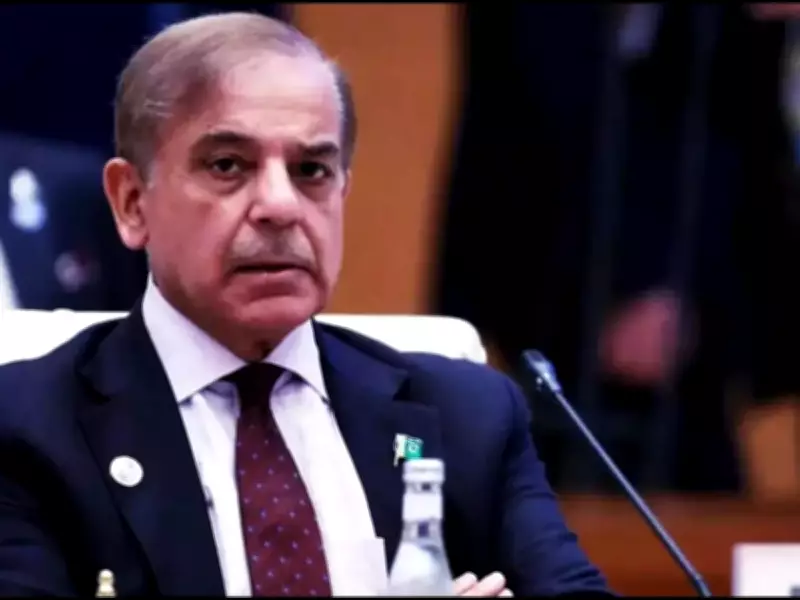
Pakistan Prime Minister Shehbaz Sharif Concludes West Asia Diplomatic Tour
Prime Minister Muhammad Shehbaz Sharif of Pakistan arrived back in Islamabad on Saturday, marking the end of a significant diplomatic mission across three key nations in West Asia. During this extensive visit, Sharif engaged in high-level discussions aimed at fostering regional stability and strengthening bilateral relationships with top leaders from Saudi Arabia, Qatar, and Turkiye.
Focus on Regional Peace and Bilateral Cooperation
The tri-nation tour was strategically designed to address pressing geopolitical issues and enhance Pakistan's ties with influential partners in the region. In Saudi Arabia, Sharif met with Crown Prince Mohammed bin Salman to discuss economic collaborations and security matters. His stop in Qatar included talks with Emir Sheikh Tamim bin Hamad Al Thani, focusing on energy partnerships and investment opportunities. In Turkiye, discussions with President Recep Tayyip Erdogan centered on trade expansion and mutual support in international forums.
This diplomatic effort underscores Pakistan's proactive role in promoting peace and cooperation in West Asia, a region often marked by complex tensions and conflicts.

Return Amid Critical US-Iran Negotiations
Sharif's return to Pakistan comes at a pivotal moment, as there are strong indications of a potential second round of talks between the United States and Iran, which are being mediated in Islamabad. The current ceasefire deadline is set to expire on April 22, adding urgency to these diplomatic efforts.
On Saturday, Iran's Supreme National Security Council issued a statement, carried by state media, revealing that the country is actively reviewing "new proposals" submitted by the United States. These proposals were facilitated through the involvement of the commander of the Pakistani army, who acted as an intermediary and mediator in the negotiations.
The council emphasized that Iran has not yet responded to these proposals and warned that its negotiators would not make any compromises with Washington, highlighting the delicate nature of the discussions.
Implications for Regional Stability
The convergence of Sharif's diplomatic tour and the ongoing US-Iran talks places Pakistan at the heart of critical regional diplomacy. By engaging with West Asian leaders and hosting mediation efforts, Pakistan aims to position itself as a key player in resolving conflicts and enhancing stability in the area.
- Sharif's visits to Saudi Arabia, Qatar, and Turkiye focused on bilateral ties and peace initiatives.
- Iran is reviewing new US proposals with Pakistani military involvement as a mediator.
- The ceasefire deadline of April 22 adds pressure to the negotiation process.
This development reflects the interconnected nature of international relations in West Asia, where Pakistan's diplomatic maneuvers could significantly influence future peace outcomes.






