

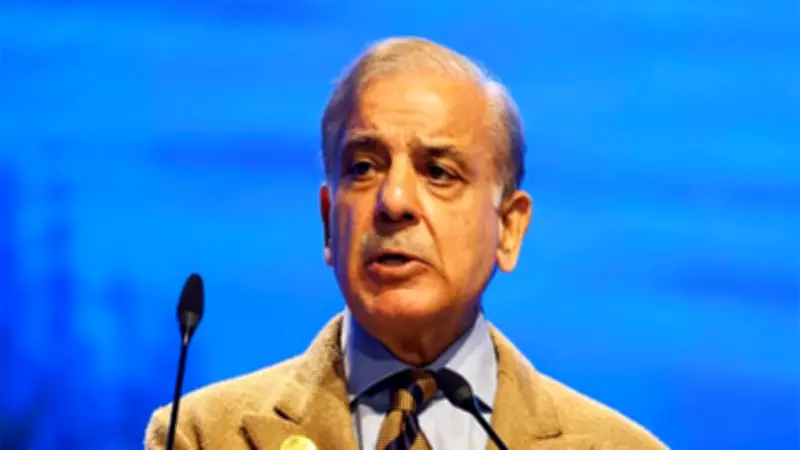
Pakistan Prime Minister Shehbaz Sharif Visits Saudi Arabia Amid Rising Middle East Tensions
In a significant diplomatic move, Pakistan's Prime Minister Shehbaz Sharif has traveled to Saudi Arabia for an official visit, as the Middle East grapples with escalating conflicts and geopolitical instability. This trip underscores Pakistan's efforts to strengthen bilateral ties and engage in high-level discussions on regional security and economic cooperation.
Timing and Context of the Visit
The visit comes at a critical juncture, with the Middle East experiencing heightened tensions due to ongoing conflicts and political unrest. Prime Minister Sharif's arrival in Saudi Arabia is seen as a strategic effort to bolster Pakistan's role in regional diplomacy and address mutual concerns. The timing highlights the urgency of fostering dialogue and collaboration between the two nations amidst a volatile international landscape.
Key Objectives and Discussions
During his stay, Prime Minister Sharif is expected to hold meetings with Saudi leadership, including Crown Prince Mohammed bin Salman, to discuss a range of issues. Key topics on the agenda include:

- Regional Security: Addressing the escalating conflicts in the Middle East and exploring avenues for peace and stability.
- Economic Partnerships: Enhancing trade, investment, and energy cooperation between Pakistan and Saudi Arabia.
- Diplomatic Coordination: Strengthening bilateral relations and aligning on international matters affecting the region.
These discussions aim to reinforce the longstanding alliance between Pakistan and Saudi Arabia, which has historically been rooted in shared interests and cultural ties.
Implications for Pakistan and the Region
This visit holds substantial implications for both Pakistan and the broader Middle East. For Pakistan, it represents an opportunity to secure economic support and diplomatic backing from a key ally, potentially aiding in domestic challenges and foreign policy goals. For the region, it could contribute to de-escalation efforts and promote collaborative solutions to ongoing conflicts.
Analysts suggest that such high-level engagements are crucial in times of crisis, as they facilitate direct communication and foster trust among nations. The outcome of these talks may influence regional dynamics and set the stage for future initiatives aimed at reducing tensions.
Background and Historical Ties
Pakistan and Saudi Arabia have maintained strong diplomatic and economic relations for decades, with Saudi Arabia being a major source of financial aid and investment for Pakistan. This visit builds on that foundation, emphasizing the importance of sustained partnership in addressing contemporary challenges. Both countries have previously collaborated on issues ranging from counterterrorism to economic development, making this meeting a continuation of their strategic alliance.
As the Middle East conflict intensifies, the role of influential nations like Pakistan and Saudi Arabia becomes increasingly pivotal in shaping regional outcomes. Prime Minister Sharif's visit is a testament to Pakistan's proactive approach in navigating complex geopolitical waters and seeking collaborative pathways to peace and prosperity.






