From Invitation to Isolation: Pakistan PM Shehbaz Sharif 'Sidelined' at Donald Trump's Gaza Peace Summit
Pakistan's participation in former US President Donald Trump's 'Board of Peace' summit was intended to showcase its renewed global relevance. However, the event instead laid bare a landscape of discomfort, hesitation, and diplomatic ambiguity for Islamabad. Prime Minister Shehbaz Sharif found himself notably marginalized during proceedings that were overwhelmingly dominated by Washington's aggressive push for a stabilisation force linked to the Gaza conflict.
A Formal Invite with Limited Influence
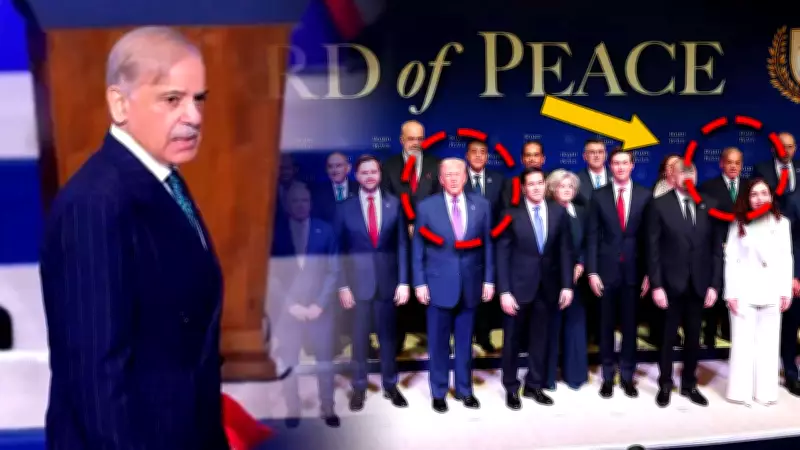
Despite receiving a formal invitation, Pakistan was conspicuously absent from the public list of nations expected to contribute personnel to the proposed force. This omission became starkly evident as countries like Indonesia, Egypt, and Jordan were openly acknowledged and praised for their potential roles. The symbolism extended to the official summit photograph, where Sharif was positioned away from the central cluster of key leaders, further cementing perceptions of Pakistan's limited influence on the global stage.
Sources Point to Troop Commitment Reluctance
Insider sources indicate that Islamabad's apparent reluctance to commit troops may have directly shaped its diminished visibility at the high-profile gathering. This strategic hesitation has sparked broader questions about Pakistan's foreign policy clarity and whether its diplomatic messaging aligns with firm, actionable commitments. The moment underscores a critical juncture for Islamabad as it navigates complex international alliances and expectations.

Broader Implications for Pakistan's Diplomacy
The summit's outcome reflects ongoing challenges in Pakistan's strategic positioning. As world leaders convened to address the Gaza crisis, Pakistan's sidelined role highlights potential gaps between its stated diplomatic goals and its willingness to engage in tangible, resource-intensive initiatives. This episode may prompt internal reviews within the Pakistani government regarding its approach to multilateral engagements and crisis response mechanisms.
Observers note that such diplomatic scenarios can have lasting effects on a nation's international standing, influencing future invitations to high-stakes negotiations and shaping bilateral relationships with key players like the United States. For Pakistan, balancing domestic priorities with global expectations remains a delicate and evolving task.