

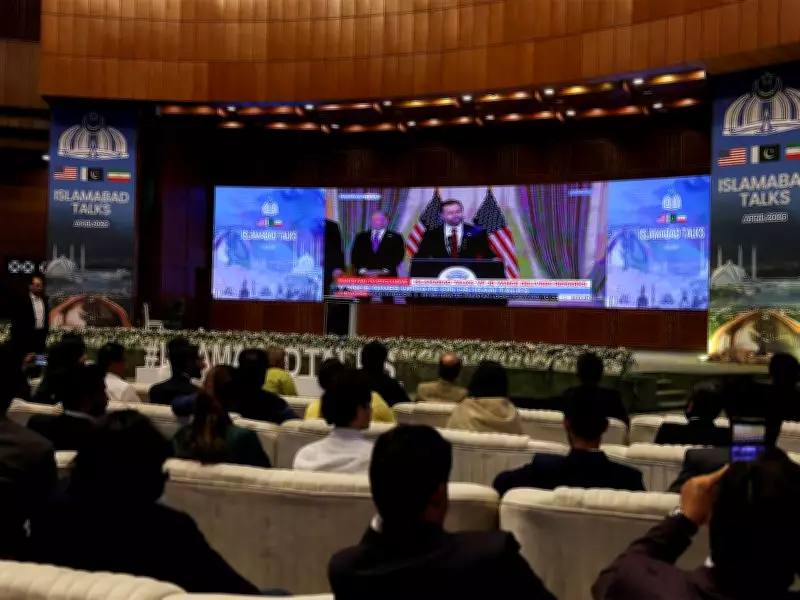
Pakistan Urges US and Iran to Maintain Ceasefire Amid Truce Talks Collapse
In a significant diplomatic development, Pakistan's Foreign Minister has issued a direct appeal to the United States and Iran, urging both nations to uphold a ceasefire agreement. This call comes in the wake of the recent collapse of truce negotiations between the two countries, which has heightened tensions in the region.
Diplomatic Efforts and Regional Stability
The Foreign Minister emphasized the critical importance of maintaining peace and stability in the Middle East, a region already grappling with multiple conflicts. He highlighted that any escalation between the US and Iran could have far-reaching consequences, not only for the immediate parties involved but also for neighboring countries, including Pakistan.
Pakistan's stance reflects its role as a key regional player seeking to mediate and de-escalate tensions. The minister reiterated that dialogue and diplomacy are the only viable paths to resolving disputes, and he expressed hope that both the US and Iran would return to the negotiating table to prevent further instability.

Background of the Truce Talks Collapse
The truce talks between the United States and Iran, which had been ongoing for several months, collapsed due to unresolved issues related to nuclear agreements and regional security concerns. This breakdown has led to increased military posturing and rhetoric from both sides, raising fears of a potential conflict.
Analysts note that the collapse of these talks marks a setback for international efforts to ease tensions in the Middle East. The situation is further complicated by the involvement of other global powers and the ongoing conflicts in the region, such as those in Syria and Yemen.
Implications for Pakistan and the Region
Pakistan, which shares borders with Iran and has strategic ties with the United States, finds itself in a delicate position. The country has historically maintained a balanced approach in its foreign policy, seeking to avoid entanglement in regional conflicts while advocating for peace.
- The Foreign Minister's call underscores Pakistan's commitment to regional stability and its desire to prevent any spillover effects from the US-Iran tensions.
- Experts suggest that Pakistan's intervention could serve as a catalyst for renewed diplomatic efforts, given its influence in the Islamic world and its relationships with both Washington and Tehran.
- However, there are concerns that if the ceasefire is not upheld, it could lead to increased volatility, affecting trade routes, energy supplies, and security in South Asia and beyond.
Global Reactions and Future Prospects
The international community has largely echoed Pakistan's call for restraint, with several countries and organizations urging the US and Iran to de-escalate. The United Nations has also expressed concern over the situation, emphasizing the need for peaceful resolution through dialogue.
Looking ahead, the focus will be on whether the US and Iran can revive truce talks or find alternative mechanisms to manage their differences. Pakistan's role as a mediator may become more prominent if tensions persist, highlighting its diplomatic clout in global affairs.
In conclusion, Pakistan's appeal to the US and Iran to uphold the ceasefire is a timely reminder of the interconnected nature of global security. As truce talks collapse, the world watches closely, hoping for a return to diplomacy to avert a broader conflict.






