

Pakistan Claims Diplomatic Role in Halting Israeli Strikes on Iranian Leaders
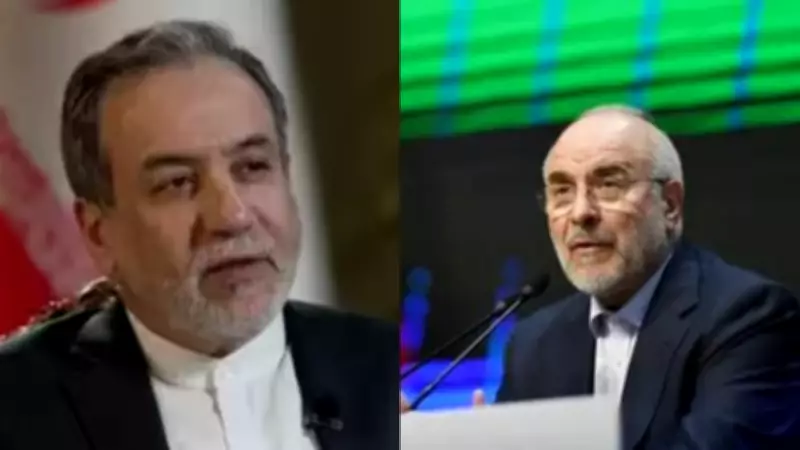
A senior Pakistani official has revealed that Islamabad played a crucial diplomatic role in preventing Israel from targeting two high-ranking Iranian officials. According to the official, who spoke to Reuters on Thursday, Israel had obtained precise coordinates for Iranian Foreign Minister Abbas Aragchi and Parliament Speaker Mohammad Bagher Qalibaf and was preparing to strike them.
Pakistan's Intervention with the United States
The Pakistani official stated that Israel intended to "take out" the two Iranian leaders, but Pakistan intervened by urging the United States not to approve any such action. "We told the US if they are also eliminated then there is no one else to talk to," the official explained, highlighting concerns that removing both officials would severely hinder diplomatic channels for de-escalation. Following this appeal, the US reportedly asked Israel to back off from the planned strikes.
Context of Temporary Immunity and Ongoing Negotiations
This development comes just a day after reports emerged that Israel had granted a "temporary immunity" to Aragchi and Qalibaf. According to Israel's Channel 14, this immunity is set to remain in effect for at least five days, coinciding with ongoing negotiations between the involved parties. The situation unfolds against a backdrop of heightened tensions in the region, with the conflict involving Israel, the US, and Iran showing signs of potential resolution.

US President Donald Trump has described discussions with Iranian officials as "productive" and suggested that the war might be nearing an end. However, Iranian authorities have publicly denied such claims, maintaining a stance of skepticism towards the reported progress. The diplomatic maneuvering underscores the complex interplay of international relations in the Middle East, with Pakistan positioning itself as a mediator in the volatile scenario.
Implications for Regional Stability
The Pakistani intervention highlights the delicate balance of power and communication in the region. By arguing that eliminating key Iranian figures would leave Tehran with no credible interlocutors, Islamabad has emphasized the importance of preserving diplomatic avenues. This move may reflect broader efforts to stabilize the region amid escalating conflicts and economic disruptions, such as Iran's recent actions in the Strait of Hormuz, where it has proposed toll systems for ship passage.
As negotiations continue, the role of third-party nations like Pakistan in facilitating dialogue could prove critical. The temporary immunity granted to the Iranian officials, coupled with Pakistan's diplomatic efforts, suggests a cautious approach to conflict management, aiming to avoid further escalation while exploring peaceful resolutions.






