In a significant revelation that could escalate diplomatic tensions, Pakistan's Deputy Prime Minister and Foreign Minister, Ishaq Dar, has alleged that India conducted a military strike on a key Pakistani airbase earlier this year. The claim, made during a parliamentary session, adds a new layer of complexity to the already strained relations between the two nuclear-armed neighbors.
The Parliamentary Revelation
Ishaq Dar made the startling disclosure while addressing the National Assembly, Pakistan's lower house of parliament, on Friday. He stated that India carried out an attack on Pakistan's Nur Khan Airbase in May. The Nur Khan Airbase, located in Rawalpindi near the capital Islamabad, is a critical military installation for the Pakistan Air Force.
Dar did not provide extensive operational details about the alleged incident during his speech. However, his statement marks the first time a senior Pakistani official has publicly accused India of such an action in recent months. The timing of the revelation is notable, coming during a parliamentary debate focused on national security and foreign policy.

Context and Regional Tensions
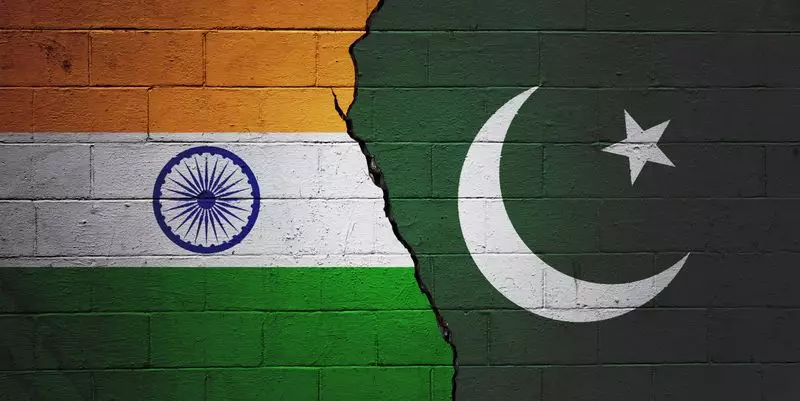
This allegation surfaces against a backdrop of persistent friction between India and Pakistan. The relationship has been historically fraught, with major flashpoints including the 2019 Balakot airstrike and the 2016 surgical strikes. Cross-border skirmishes along the Line of Control (LoC) in Jammu and Kashmir have also been recurrent.
The claim of an attack in May, if substantiated, would represent a serious escalation. It is unclear why Pakistan waited several months to make this information public. Analysts suggest the disclosure could be linked to internal political dynamics or a strategic move to shape the narrative ahead of diplomatic engagements. As of now, the Indian government has not issued an official response to Deputy PM Dar's specific allegation.
Potential Implications and Next Steps
The public accusation by a figure of Ishaq Dar's stature necessitates a careful examination of its potential consequences. Firstly, it could impact any behind-the-scenes diplomatic channels that may have been active between the two nations. Secondly, it puts pressure on both governments to clarify the record, potentially leading to a war of words.
Key questions remain unanswered:
- What was the precise nature and scale of the alleged attack?
- What evidence, if any, does Pakistan possess to support this claim?
- Why was the information withheld for nearly half a year?
- How will India formally respond to this direct allegation from Pakistan's Deputy PM?
Security experts are closely monitoring the situation, noting that such public accusations can quickly raise temperatures and public sentiment on both sides of the border. The development underscores the fragile state of India-Pakistan relations, where a single incident or claim can derail months of cautious diplomacy.
The international community, particularly major powers with interests in South Asian stability, is likely to watch for further developments. The core imperative for both nations remains to avoid any miscalculation that could lead to a wider conflict, while addressing serious allegations through established diplomatic and military communication channels.