

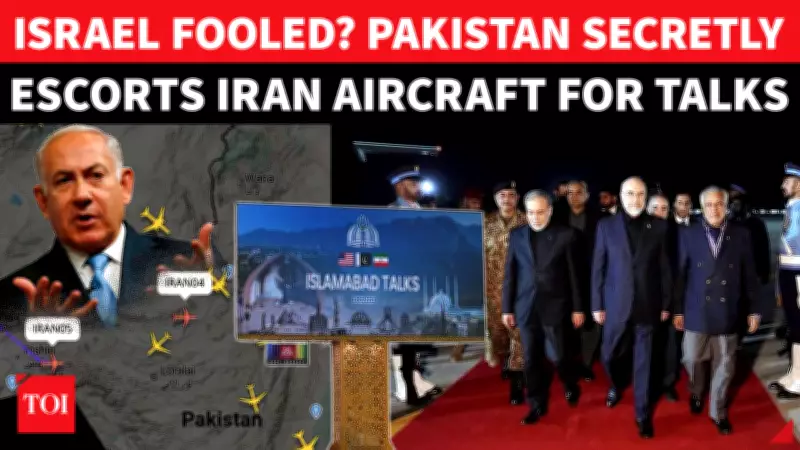
Pakistan's Covert Air Operation: Shielding Iranian Jet for Islamabad Nuclear Talks
In a meticulously planned maneuver reflecting the heightened security tensions of the ongoing Middle East conflict, Pakistan appears to have executed a sophisticated air deception operation to ensure the safe transit of an Iranian aircraft to Islamabad for critical nuclear negotiations. Reports indicate that flight tracking data was deliberately manipulated to mislead international observers, with the real aircraft taking a longer, less predictable route over Afghanistan before entering Pakistan through the Chaman border crossing.
The Decoy Flight Strategy
According to aviation intelligence sources, the operation involved creating a false flight path to divert attention from the actual Iranian delegation's aircraft. While observers were tracking what appeared to be the expected route, the genuine aircraft avoided direct corridors that could have exposed it to surveillance or potential targeting by adversaries. This strategic deception represents a significant escalation in aerial security protocols for diplomatic transit missions.
The Pakistan Air Force deployed an unprecedented security umbrella throughout the transit, including airborne early warning systems and fighter escort measures typically reserved for the highest-risk military operations. Multiple F-16 fighter jets were reportedly scrambled to provide continuous protection, creating a protective bubble around the sensitive flight from potential interception attempts.

Security Concerns and Regional Implications
The extraordinary precautions point to serious concerns that adversaries, particularly Israel, could attempt to track or target sensitive diplomatic flights mid-air. While no specific threat has been officially confirmed by Pakistani authorities, the operation suggests that even routine diplomatic transit has become a potential flashpoint in the evolving regional conflict.
The operation occurred against the backdrop of escalating tensions between Iran and Israel, with both nations engaged in proxy conflicts across the Middle East. The Islamabad talks represent a crucial diplomatic initiative involving the United States, Iran, and regional stakeholders, making the security of participating delegations paramount.
Technical Aspects of the Deception
Aviation experts note several technical elements that made this deception operation particularly sophisticated:
- Deliberate manipulation of flight tracking data transmitted to international aviation databases
- Strategic use of alternative aircraft with similar transponder signatures
- Careful timing of the actual flight to coincide with reduced regional surveillance coverage
- Coordination between civilian aviation authorities and military air defense systems
The longer route over Afghanistan added several hours to the flight time but provided enhanced security through less monitored airspace. This detour required precise coordination with Afghan authorities and careful fuel management for the escorting fighter jets.
Diplomatic Context and Future Implications
This operation underscores how regional conflicts are increasingly influencing aviation security protocols for diplomatic missions. The high-stakes nature of the Islamabad talks, which aim to address Iran's nuclear program and regional security arrangements, has transformed routine diplomatic travel into complex military-security operations.
Security analysts suggest this incident may establish new precedents for how nations protect sensitive diplomatic flights in conflict zones. The successful execution of this deception operation demonstrates Pakistan's capability to conduct sophisticated aerial security operations while navigating complex regional alliances and rivalries.
As diplomatic efforts continue in Islamabad, the security measures surrounding participant transit will likely remain at unprecedented levels, reflecting the fragile balance between diplomatic engagement and military preparedness in one of the world's most volatile regions.






