

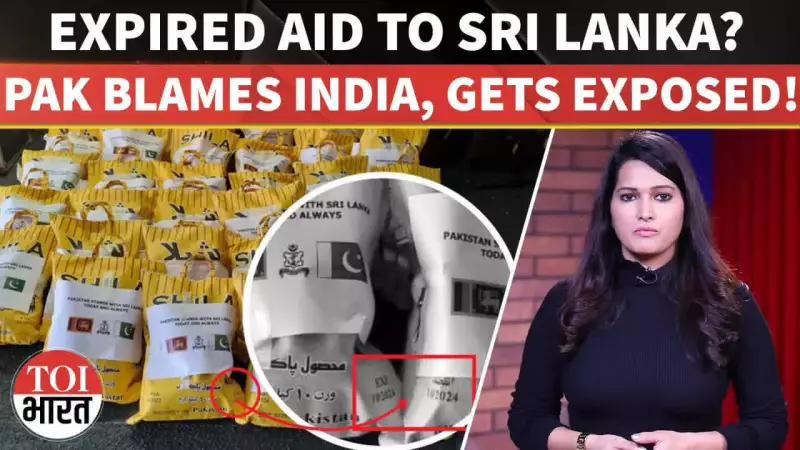
A major diplomatic and humanitarian controversy has erupted in South Asia, centered on the relief efforts for cyclone-ravaged Sri Lanka. The crisis, triggered by Cyclone Ditwah, took an unexpected turn when Pakistan, offering humanitarian assistance, found itself embroiled in an embarrassing scandal over expired supplies.
Expired Relief Boxes Trigger Viral Storm and Formal Complaint
Images of relief consignments from Pakistan quickly circulated on social media and news platforms after sharp-eyed observers spotted labels showing expiry dates from October 2024. What was intended as a gesture of solidarity swiftly transformed into a significant diplomatic headache for Islamabad. The discovery meant the relief materials were past their usable date by over a year.
Sri Lankan authorities, dealing with the aftermath of the devastating cyclone, formally conveyed their concerns to Pakistan regarding the expired aid. Reports indicate that officials in Colombo also referenced past controversies involving Pakistan's disaster aid, adding historical context to the current grievance. This incident has severely undermined the credibility of the relief effort from Pakistan at a critical time.

India's Swift Rejection and Documented Counter to Airspace Allegations
The situation escalated further when Pakistan attempted to deflect criticism by alleging that India had blocked its aircraft from using Indian airspace for relief flights to Sri Lanka. New Delhi responded swiftly and firmly, dismissing the accusation as baseless.
Indian authorities provided documented evidence and detailed timelines demonstrating that they had granted fast-track clearance to Pakistani flights for humanitarian purposes. This strong rebuttal left Pakistan's claim without factual footing, highlighting a pattern of misinformation amidst the crisis.
A Study in Contrast: India's Large-Scale Relief Operation in Sri Lanka
While Pakistan grappled with the fallout from the expired aid scandal, India launched and is leading a robust, multi-dimensional relief operation named 'Operation Maitri' for Sri Lanka. The Indian response has been characterized by its scale, speed, and efficiency.
Indian Navy ships and Indian Air Force (IAF) aircraft have been deployed continuously, carrying essential supplies and personnel. The relief teams on the ground include:
- Medical teams providing emergency care.
- Engineering units helping restore critical infrastructure.
- Specialized teams conducting evacuation missions.
This concerted effort has resulted in the rescue of thousands of people, including citizens from other countries stranded in the cyclone-hit areas. The stark contrast between India's credible, large-scale aid and Pakistan's questionable relief boxes has ignited a storm of commentary and analysis across South Asia, shaping public and diplomatic perception of the two nations' roles in regional crisis management.
The episode, unfolding since the cyclone made landfall, underscores the importance of credible action in diplomacy and disaster response. As of December 2, 2025, India's operation continues to be the cornerstone of international support for Sri Lanka, while Pakistan works to manage the dual embarrassment of expired aid and a debunked allegation.






