

Pakistan Announces Austerity Steps to Reduce Fuel Consumption Amid Regional Tensions
In response to the ongoing conflict in the Middle East, which poses a significant threat to global energy supplies, Pakistan has unveiled a series of austerity measures aimed at curbing fuel consumption. These steps, announced on Monday, include temporary school closures, reductions in government fuel allowances, and the implementation of a four-day workweek for public offices.
Prime Minister Shehbaz Sharif's Address on Fuel Conservation
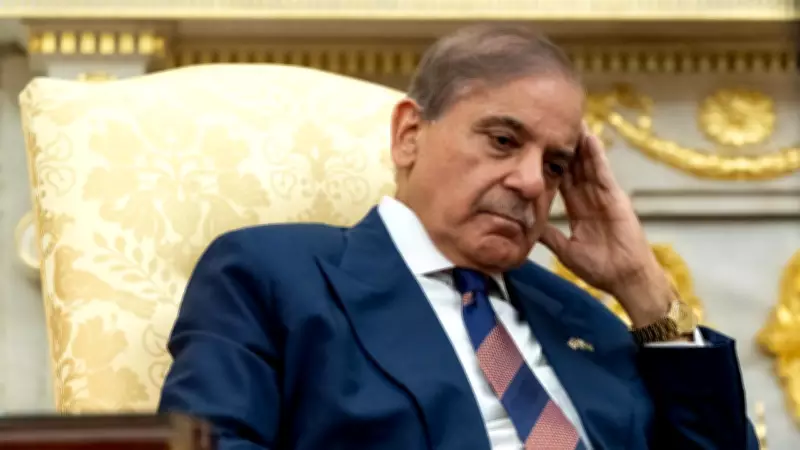
According to Reuters, Prime Minister Shehbaz Sharif stated in a televised address that the measures are designed to conserve fuel and manage potential supply disruptions linked to the regional conflict. Sharif emphasized the urgency of these actions, highlighting Pakistan's heavy reliance on imported fuel, which makes the country particularly vulnerable to global energy shocks.
Key Austerity Measures Implemented
The government has outlined several specific actions to reduce fuel use:

- Temporary School Closures: All schools across Pakistan will remain closed for two weeks starting March 16. Universities and other higher education institutions will shift to online classes immediately to minimize travel and fuel consumption.
- Reduced Fuel Allowances: Government departments will face a 50% cut in fuel allowances over the next two months, as announced by Sharif. This reduction is intended to lower overall fuel usage in the public sector.
- Four-Day Workweek and Remote Work: Public offices will operate four days a week to save fuel, with banks exempt from this arrangement. Additionally, 50% of government staff will be allowed to work from home, further decreasing the need for commuting and fuel expenditure.
Context and Implications of the Measures
These austerity steps are part of Pakistan's broader effort to curb fuel consumption as the conflict in the Middle East threatens to disrupt global energy flows and drive up oil prices. By reducing domestic demand, the government aims to manage fuel supplies more effectively during the ongoing regional crisis. The measures reflect a proactive approach to mitigating the economic impact of external energy shocks, given Pakistan's dependence on imported fuel.
The decision to implement such measures underscores the severity of the situation, with the government prioritizing fuel conservation to ensure stability in the face of potential supply shortages. As the conflict continues, these steps may serve as a model for other nations grappling with similar energy vulnerabilities.






