

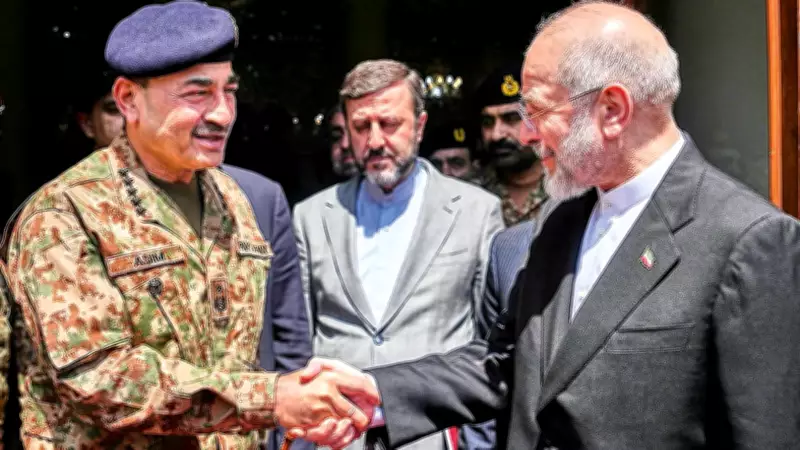
Pakistan's Unexpected Emergence as Mediator in US-Iran Conflict
In a development that has taken international observers by surprise, Pakistan has positioned itself as a neutral mediator in the ongoing high-stakes peace negotiations between the United States and Iran. The talks, which carry significant implications for global peace and economic stability, are being hosted in Islamabad, Pakistan's capital city.
A Bizarre Diplomatic Twist
The scenario appears almost surreal to many geopolitical analysts. Pakistan, a nation frequently criticized in international circles for its alleged support of militant groups and regional instability, is now attempting to broker peace between two global powers locked in a tense conflict. This unexpected role reversal has sparked widespread discussion and skepticism within diplomatic communities worldwide.
The choice of Islamabad as the negotiation venue adds another layer of complexity to an already delicate situation. While Pakistan has historically maintained relationships with both Western powers and Middle Eastern nations, its credibility as an impartial peacemaker remains questionable given its own turbulent history with neighboring countries and internal security challenges.

Global Implications of the Mediation
The US-Iran conflict represents one of the most significant geopolitical flashpoints of our time, with ramifications extending far beyond the Middle East. Key areas affected include:
- Global energy markets and oil prices
- International shipping routes through strategic waterways
- Regional stability across the Middle East
- Nuclear non-proliferation efforts
- International trade and economic partnerships
Pakistan's involvement as mediator introduces an unpredictable element into negotiations that already face numerous obstacles. The country's own complex relationships with both the United States (as a sometimes-ally in counterterrorism efforts) and Iran (as a neighboring state with shared borders and historical tensions) create a diplomatic tightrope that requires careful navigation.
India's Strategic Response
For India, Pakistan's newfound role as peacemaker presents both challenges and opportunities. As a regional power with significant stakes in Middle Eastern stability and global energy security, India must carefully monitor these developments while maintaining its own diplomatic composure.
Strategic patience and measured responses will be crucial for India as it observes Pakistan's mediation efforts. Rather than reacting impulsively to what might appear as diplomatic posturing, India should focus on protecting its national interests while supporting genuine peace initiatives that contribute to regional stability.
The broader context suggests that while Pakistan's mediation role may seem improbable given historical patterns, international diplomacy often produces unexpected developments. The ultimate test will be whether these talks yield substantive progress toward de-escalation or merely serve as diplomatic theater with limited practical outcomes.






