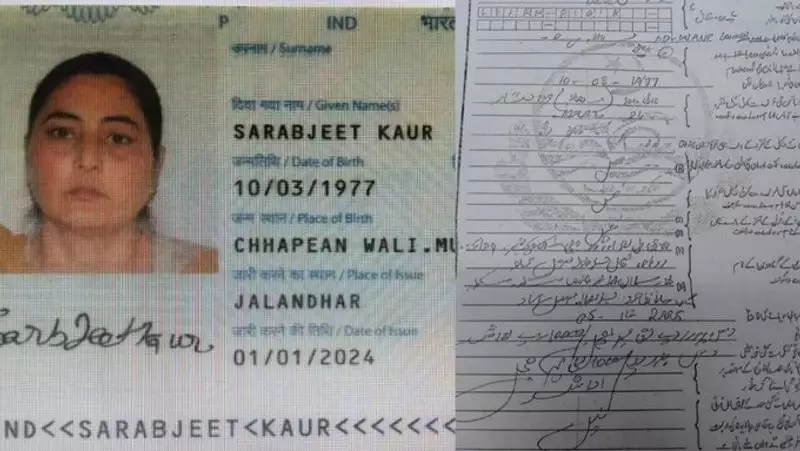
A significant legal development has emerged in Pakistan concerning a Sikh pilgrim from India. A petition has been officially filed before the Lahore High Court, alleging serious violations of visa regulations by Sarabjit Kaur, a devotee who traveled to Pakistan for religious purposes.
Details of the Petition and Allegations
The petition, which brings this matter into the legal spotlight, was submitted by a citizen named Muhammad Nawaz. He has raised specific concerns regarding Sarabjit Kaur's activities during her stay in Pakistan. The core allegation is that the Indian pilgrim overstayed her visa and engaged in activities not permitted under the terms of her travel documents.
According to the petition's claims, Sarabjit Kaur arrived in Pakistan on a visa intended for pilgrimage. However, it is alleged that she did not confine her activities to religious observance. The petitioner contends that she traveled to various cities beyond the permitted itinerary and extended her stay beyond the authorized period. These actions, if proven, would constitute a clear breach of Pakistan's immigration and visa rules for foreign visitors, particularly those on religious visas.
Legal Proceedings and Government Response
The Lahore High Court has taken cognizance of the petition. The honourable court has issued notices to the relevant federal and provincial authorities, directing them to submit their formal responses. The respondents named in the case include key government bodies such as the Federal Investigation Agency (FIA), the Interior Ministry, and the Punjab Home Department.
This legal action compels the state machinery to investigate the claims thoroughly. The court's intervention underscores the procedural seriousness with which visa violations are treated. The petitioner has urged the court to direct the FIA to register a formal case against Sarabjit Kaur for the alleged infractions. The outcome of this case could set a precedent for how similar situations are handled in the future, especially concerning cross-border religious travel which is often governed by sensitive bilateral agreements.
Broader Implications for Religious Pilgrimage
This incident occurs against the backdrop of the operational Kartarpur Corridor, a visa-free crossing point established to facilitate Sikh pilgrims from India visiting the holy Gurdwara Darbar Sahib in Kartarpur, Pakistan. While the Corridor simplifies travel for a specific purpose and route, pilgrims wishing to visit other sites in Pakistan still require regular visas with stipulated conditions.
The case of Sarabjit Kaur highlights the potential vulnerabilities and monitoring challenges in cross-border religious tourism. It raises important questions about the compliance mechanisms in place for pilgrims and the consequences of violating trust in such sensitive arrangements. For the Sikh community, which holds several holy sites in Pakistan, maintaining smooth and lawful pilgrimage processes is of paramount importance. Any legal complications can create diplomatic friction and complicate future travel for devotees.
The responses from the Pakistani authorities, once submitted to the Lahore High Court, will be crucial. They will clarify the facts of the case, the extent of any violations, and the intended course of action. This legal petition ensures that the matter is addressed through formal judicial channels, emphasizing the rule of law in matters of international travel and religious protocol.