

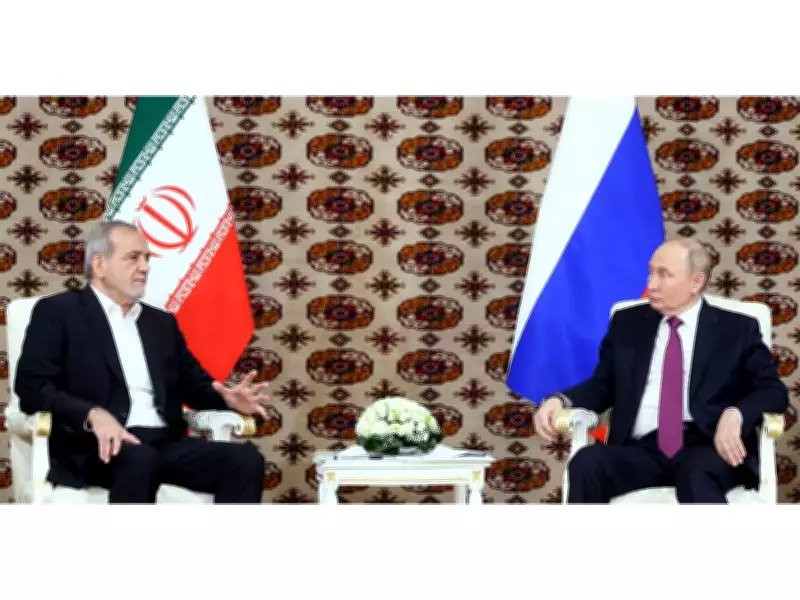
Pezeshkian and Putin Hold Key Dialogue on Regional Stability
In a significant development, Iranian President Masoud Pezeshkian and Russian President Vladimir Putin engaged in a detailed phone conversation to address pressing regional stability issues. This high-level discussion comes in the immediate aftermath of the failure of peace talks between the United States and Iran, which were held in Islamabad. The collapse of these talks has heightened concerns over escalating tensions in the region, prompting this direct communication between the two leaders.
Background: US-Iran Peace Talks in Islamabad
The peace talks between the United States and Iran, which took place in Islamabad, were aimed at de-escalating long-standing conflicts and fostering diplomatic relations. However, these negotiations ultimately broke down without reaching any substantive agreements. The failure has been attributed to deep-seated disagreements on key issues, including nuclear proliferation, economic sanctions, and regional influence. This setback has left a vacuum in diplomatic efforts, raising alarms about potential instability.
Key Points from the Pezeshkian-Putin Discussion
During their phone call, Presidents Pezeshkian and Putin focused on several critical aspects of regional stability. They emphasized the importance of maintaining peace and security in the Middle East and surrounding areas, particularly in light of the recent diplomatic impasse. The leaders discussed potential collaborative measures to mitigate risks and enhance cooperation between Iran and Russia. This dialogue underscores the strengthening alliance between the two nations as they navigate complex geopolitical landscapes.

The conversation between Pezeshkian and Putin signals a shift in diplomatic dynamics, with Iran and Russia taking a more proactive role in regional affairs. This move could influence future negotiations and alliances, especially as Western-led initiatives face challenges. Experts suggest that this development may lead to increased coordination between Tehran and Moscow on issues such as energy security, military cooperation, and economic partnerships.
Regional Reactions and Future OutlookRegional stakeholders are closely monitoring the situation, as the Pezeshkian-Putin dialogue could impact stability in conflict-prone areas. The failure of the US-Iran talks has already sparked concerns among neighboring countries, who fear a resurgence of hostilities. Looking ahead, the focus will be on whether Iran and Russia can propose viable alternatives to foster peace, or if this will further polarize international relations. Ongoing diplomatic efforts will be crucial in determining the trajectory of regional stability in the coming months.






