15-Year Compensation Delay Haunts Pithoragarh Villagers for Tharkot Lake Land
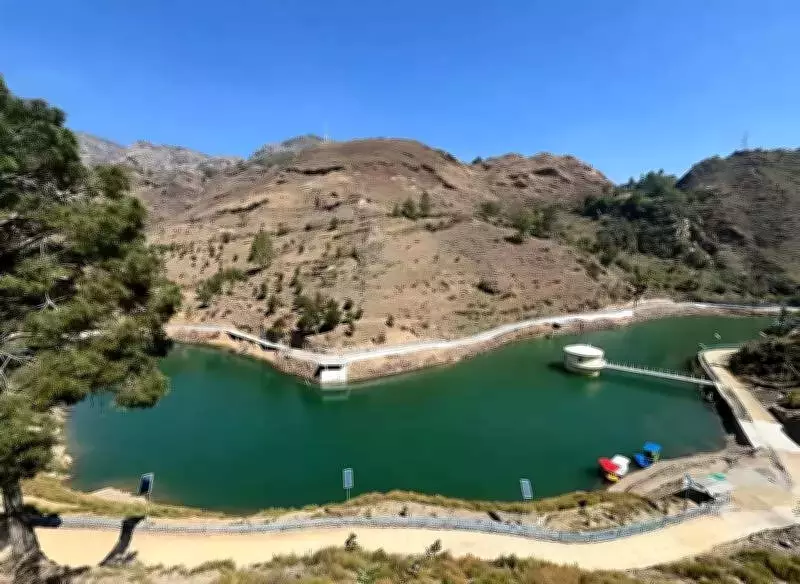
In a stark case of bureaucratic delay, dozens of families across five villages in Uttarakhand's Pithoragarh district continue to wait for compensation for land acquired over 15 years ago for the construction of the artificial Tharkot lake. The acquisition process, initiated in 2008, remains incomplete, leaving many landowners without their rightful dues despite the project's completion in 2023.
Unresolved Claims Amid Completed Project
The Uttarakhand government acquired land from the villages of Fagali, Tharkot, Sirmuda, Gyarhdevi, and Toli to develop the Tharkot lake project. Executed by the irrigation department at a cost of approximately Rs 32 crore, the lake was built to enhance water resources in the border district. However, while construction wrapped up last year, financial compensation linked to the land acquisition has not reached all affected parties.
According to Dhreej Joshi, Executive Engineer of the Pithoragarh Irrigation Department, most villagers have received their payments, but 75 landowners are still owed over Rs 12 lakh in total. "Notices have been issued annually urging villagers to collect compensation. A final notice has now been served, after which any unclaimed amount will be returned to the department," Joshi stated, highlighting the urgency of the situation.

Migration and Administrative Hurdles
Migration emerges as a primary factor behind the delayed claims. Komal Mehta, a local resident, explained that many families left these villages years ago to seek better livelihoods in cities and other states. "Those who migrated often missed timely information about compensation. In some instances, by the time they learned, they opted not to return," Mehta said. He added that in several cases, landowners have passed away, and their successors have not completed necessary mutation formalities, further complicating the process.
Low Payouts and Cumbersome Paperwork
Residents also point to insufficient compensation amounts as a significant deterrent. Naresh Pande, a resident of Gyarhdevi, noted that for some individuals living in metropolitan areas, the compensation was as low as Rs 5,000. "The travel and paperwork expenses often exceed the compensation itself," Pande remarked. Lengthy procedures involving land records, identity proofs, and registry requirements have discouraged villagers from pursuing these small sums, creating a cycle of neglect.
Final Deadline and Lingering Issues
With the final deadline approaching, officials emphasize that the responsibility now rests with landowners to complete the required formalities. For many families who once cultivated these hillsides but now reside far away, the compensation remains unclaimed—caught in a web of migration, bureaucratic red tape, and diminishing returns. This situation underscores broader challenges in land acquisition and compensation processes in remote areas, where economic shifts and administrative inefficiencies can leave vulnerable communities without recourse.
The Tharkot lake project, while a developmental achievement, thus casts a shadow over the lives of those still awaiting justice, reminding us of the human cost often hidden behind infrastructure milestones.