

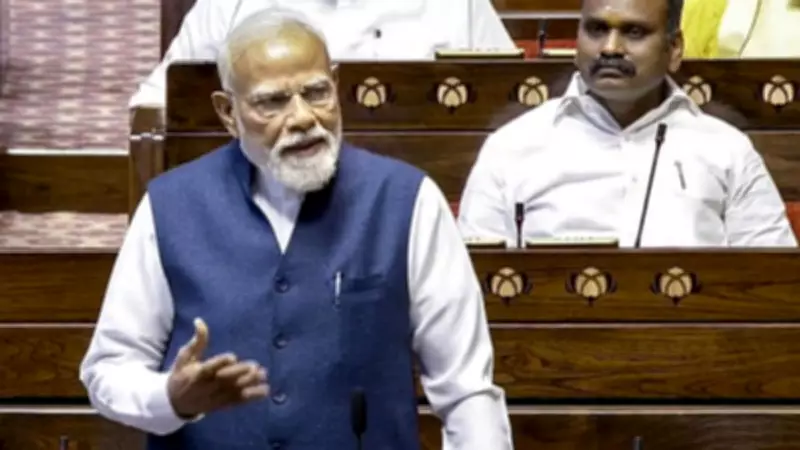
PM Modi Announces Formation of Seven Empowered Groups to Tackle West Asia Crisis
In a significant move to address the escalating tensions in West Asia, Prime Minister Narendra Modi has announced the establishment of seven empowered groups. These groups are tasked with coordinating India's response to the ongoing crisis in the region, which has seen heightened geopolitical instability and humanitarian concerns.
Strategic Coordination and Humanitarian Focus
The empowered groups, formed by the central government, will focus on various aspects of the crisis, including diplomatic efforts, security measures, and humanitarian aid. This initiative underscores India's proactive approach to international affairs and its commitment to stability in West Asia, a region of strategic importance due to energy resources and trade routes.
According to official statements, the groups will work under the guidance of the Prime Minister's Office to ensure a cohesive and effective response. They are expected to collaborate with relevant ministries and agencies to monitor developments, assess risks, and implement strategies to safeguard Indian interests and contribute to regional peace.

Key Objectives of the Empowered Groups
The seven groups have been assigned specific mandates to address different dimensions of the West Asia crisis:
- Diplomatic Engagement: To enhance dialogue with key stakeholders in the region and international partners.
- Security Coordination: To assess and mitigate security threats affecting Indian nationals and assets.
- Humanitarian Assistance: To provide aid and support to affected populations, including evacuation plans if necessary.
- Economic Impact Analysis: To evaluate the crisis's effects on trade, energy supplies, and economic ties.
- Information and Intelligence: To gather and analyze data for informed decision-making.
- Legal and Policy Framework: To develop guidelines and protocols for crisis management.
- Public Communication: To ensure transparent and timely updates to the public and media.
This structured approach aims to streamline efforts and avoid duplication, ensuring that India's response is both swift and comprehensive. The formation of these groups comes amid growing concerns over conflicts and instability in West Asia, which have global implications.
Implications for India's Foreign Policy
The announcement highlights India's evolving role on the world stage, emphasizing its willingness to engage in complex international issues. By forming these empowered groups, the government signals a shift towards more coordinated and strategic foreign policy initiatives, particularly in regions critical to India's economic and security interests.
Experts note that this move could enhance India's diplomatic leverage and strengthen its partnerships with countries in West Asia and beyond. It also reflects a broader trend of nations adopting multi-agency frameworks to handle crises, ensuring that responses are agile and well-informed.
As the situation in West Asia continues to unfold, the effectiveness of these groups will be closely watched. Their success could set a precedent for how India manages future international crises, balancing national interests with global responsibilities.






