PM Modi Convenes High-Level CCS Meeting Amid West Asia Tensions
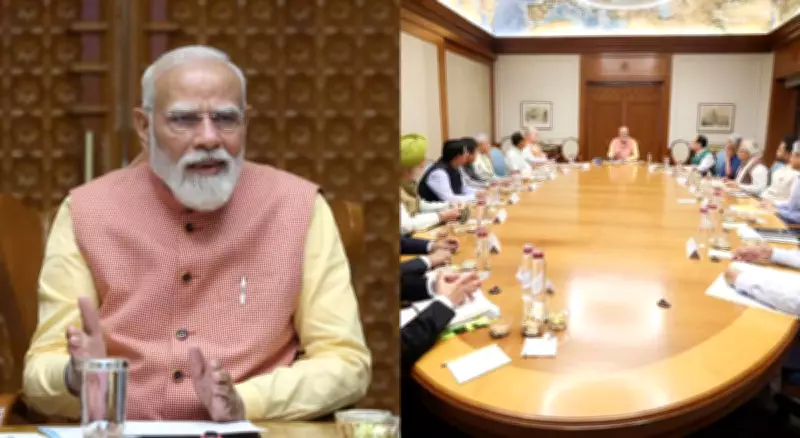
Prime Minister Narendra Modi chaired a pivotal meeting of the Cabinet Committee on Security (CCS) on Monday to evaluate the escalating situation in West Asia and its direct implications for India's critical energy supplies. The high-stakes discussion centered on safeguarding the nation's oil and petrol imports, which are heavily reliant on maritime routes through the volatile Strait of Hormuz.
Assessing Risks to India's Energy Supply Chain
The CCS, India's apex body for security-related decisions, conducted a comprehensive review of the ongoing conflict in West Asia, with a particular focus on potential disruptions to global oil markets. Officials analyzed contingency plans to ensure the uninterrupted flow of crude oil and petroleum products to India, a nation that imports over 80% of its oil needs. The meeting underscored the strategic importance of diversifying energy sources and enhancing domestic storage capacities to mitigate external shocks.
Key concerns raised during the meeting included:

- The security of shipping lanes in the Strait of Hormuz, a critical chokepoint for oil tankers from the Middle East.
- Potential price volatility in international crude markets due to supply chain uncertainties.
- Coordinated diplomatic efforts with regional partners to de-escalate tensions and secure energy corridors.
- Strengthening India's strategic petroleum reserves to buffer against short-term supply disruptions.
Focus on Iran and Regional Stability
While the CCS meeting did not explicitly name Iran, discussions inevitably touched upon the broader geopolitical dynamics involving Tehran, given its influence in West Asia and control over key maritime passages. The committee evaluated the indirect impact of the conflict on India's bilateral energy engagements and the need for calibrated diplomacy to protect national interests. Prime Minister Modi emphasized a balanced approach, prioritizing energy security while advocating for peaceful resolution of conflicts through dialogue.
The government is closely monitoring developments and has instructed relevant ministries to prepare robust response mechanisms. This includes enhancing coordination between the Ministry of Petroleum and Natural Gas, the Ministry of External Affairs, and defense authorities to address any emergent scenarios swiftly.
Long-Term Strategic Implications
Beyond immediate concerns, the CCS deliberated on long-term strategies to reduce India's vulnerability to regional instabilities. This involves accelerating investments in renewable energy, expanding refinery capacities, and forging new partnerships with oil-producing nations in Africa and the Americas. The meeting reaffirmed India's commitment to a stable and secure global energy architecture, even as it navigates the complex realities of West Asian geopolitics.