Prime Minister Narendra Modi on Tuesday conveyed his profound grief over the demise of former Bangladesh prime minister and Bangladesh Nationalist Party (BNP) chairperson Begum Khaleda Zia. He remembered her significant role in her nation's development and in fostering stronger ties between India and Bangladesh.
A Leader Remembered: Modi's Tribute
In a post on social media platform X, PM Modi stated he was "deeply saddened to learn about the passing away" of Khaleda Zia in Dhaka. He extended his sincerest condolences to her family and the people of Bangladesh, adding, "May the Almighty grant her family the fortitude to bear this tragic loss."
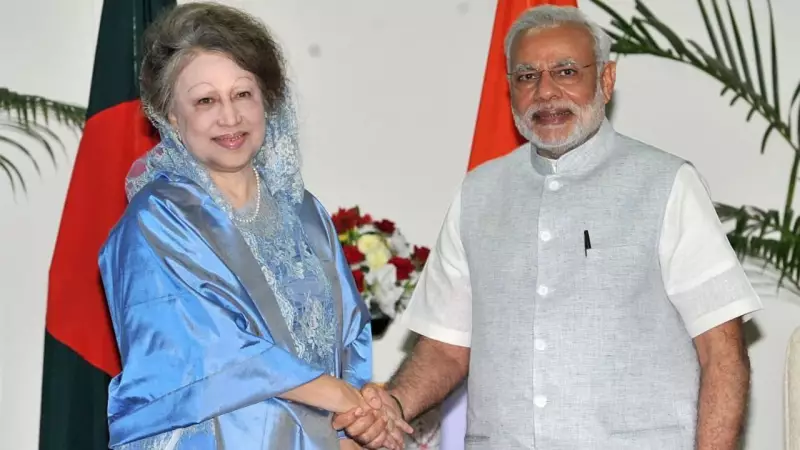
Modi highlighted her historic position as the first woman to lead Bangladesh and acknowledged her important contributions to the country's progress. He specifically noted her efforts in strengthening India-Bangladesh relations, stating these would always be remembered. The Prime Minister also recalled a warm meeting with her in Dhaka back in 2015, expressing hope that her vision and legacy would continue to guide the bilateral partnership.

End of an Era: The Passing of a Political Icon
Khaleda Zia, aged 80, passed away early on Tuesday in the Bangladeshi capital. According to reports from The Daily Star, she had been in a critical state for several months and was under treatment in the intensive care unit of Evercare Hospital. She battled a series of chronic health issues, including:
- Heart disease, for which she had a permanent pacemaker and had undergone stent placement.
- Liver and kidney complications.
- Diabetes, lung problems, arthritis, and eye-related conditions.
After receiving advanced medical care in London, she had returned to Bangladesh on May 6 this year and was undergoing regular check-ups at the hospital. Her death marks the close of a major chapter in Bangladesh's political history.
A Towering Figure and a Complex Legacy
Khaleda Zia's life was deeply intertwined with the political fabric of Bangladesh. She married Ziaur Rahman in 1960, who later became president in 1977 before his assassination in 1981. Stepping into active politics thereafter, she assumed leadership of the BNP in 1984.
She led her party to electoral victory twice, serving as the Prime Minister of Bangladesh from 1991 to 1996 and again from 2001 to 2006. For decades, she stood as the principal political rival to Sheikh Hasina, the country's long-serving leader. Her passing occurs just days after her son, Tarique Rahman, returned to Bangladesh from London, ending a 17-year self-imposed exile, as the nation gears up for elections anticipated in early 2026. Despite her frail health, Khaleda Zia had indicated last month her intention to campaign, with the BNP seen as a major contender.
The interim government chief of Bangladesh, Muhammad Yunus, also expressed deep sorrow at her demise, calling himself "deeply saddened and grief-stricken by her death." The loss of Khaleda Zia is felt across the political spectrum, underscoring her enduring impact on South Asian politics.