Prime Minister Narendra Modi has extended India's heartfelt condolences and unwavering support to Sri Lanka in the wake of the devastation caused by Cyclone Ditwah. In a significant diplomatic gesture, the Prime Minister reached out to Sri Lankan President Ranil Wickremesinghe to express solidarity with the island nation during this difficult time.
Modi's Message of Solidarity
On Monday, Prime Minister Modi took to the social media platform X (formerly Twitter) to convey his sympathies directly. He addressed President Wickremesinghe, stating that he was "saddened by the loss of lives and damage due to Cyclone Ditwah in Sri Lanka." The Prime Minister's message underscored the close and compassionate ties between the two neighbouring countries. He explicitly assured that India stands ready to provide all possible support to help Sri Lanka recover from the natural disaster.
Context of the Calamity
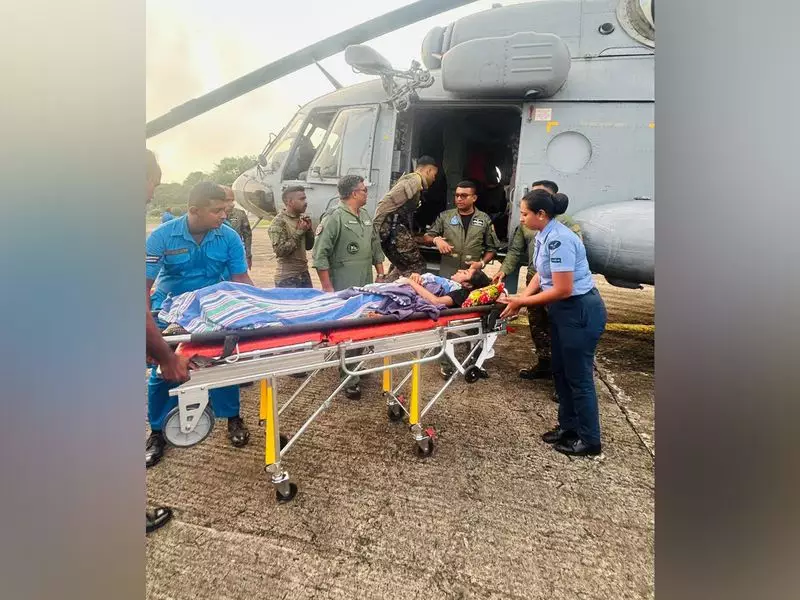
The powerful Cyclone Ditwah recently made landfall in Sri Lanka, unleashing heavy rainfall, strong winds, and widespread flooding across several regions. The severe weather event has resulted in significant damage to infrastructure, homes, and agriculture. Most tragically, it has led to the loss of numerous lives, leaving families and communities in mourning. The Sri Lankan government and disaster response teams have been actively engaged in rescue and relief operations to assist the affected population.

India's Neighbourhood First Policy in Action
Prime Minister Modi's prompt assurance of support is a clear reflection of India's 'Neighbourhood First' foreign policy. This doctrine prioritizes building strong, supportive, and cooperative relationships with immediate neighbours. In times of crisis, such as natural disasters, India has consistently been among the first responders in the South Asian region. This commitment to regional solidarity and humanitarian assistance strengthens diplomatic bonds and fosters a sense of shared destiny.
The offer of continued assistance could encompass several forms of aid, which India has provided in the past during similar crises. Potential support includes:
- Dispatch of emergency relief materials such as food packets, medicines, and shelter equipment.
- Deployment of technical teams for damage assessment and restoration.
- Financial aid for reconstruction efforts.
- Sharing of meteorological data and early warning expertise.
This gesture reinforces India's role as a reliable and responsible regional power, ever-willing to extend a helping hand to its partners. The response from Sri Lanka is anticipated to be positive, as such cooperation is vital for building resilience against common challenges like climate-induced disasters. The incident highlights the importance of regional cooperation in disaster management and the deep human connection that forms the bedrock of India-Sri Lanka relations.