

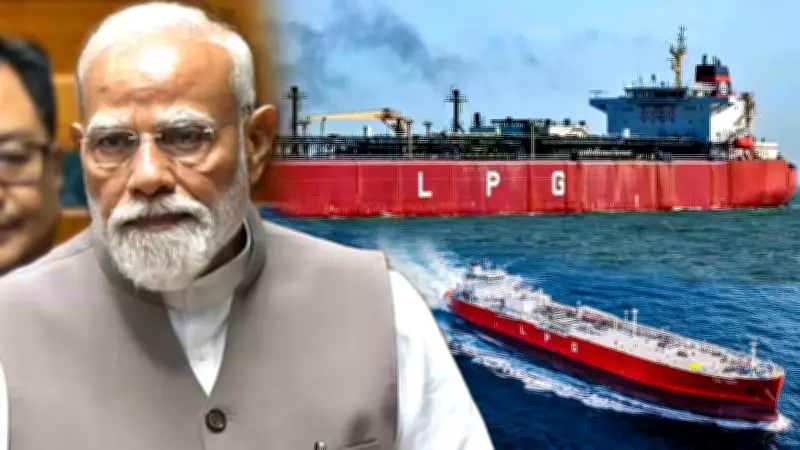
PM Modi Vows Uninterrupted Fuel Supply As Indian Ships Navigate Hormuz War Zone
As military conflict intensifies across West Asia, India is demonstrating remarkable diplomatic and logistical resilience to protect its critical energy interests. The focal point of this high-stakes situation is the Strait of Hormuz, the narrow maritime chokepoint through which approximately one-fifth of the world's oil passes daily.
Parliamentary Assurance On Energy Security
Addressing the nation's lawmakers, Prime Minister Narendra Modi delivered a firm commitment regarding India's energy stability. The government is actively working to ensure uninterrupted fuel supply by tapping into every available sourcing channel, regardless of the escalating regional tensions. This declaration comes at a crucial moment when global oil prices are experiencing volatility due to supply chain uncertainties.
"While the crisis in West Asia presents real challenges, India is not standing still," the Prime Minister emphasized during his parliamentary address. "We are adapting, negotiating, and securing our energy future through deliberate, calculated steps."

High-Risk Maritime Navigation
Even as security threats loom over the strategic waterway, two Indian-flagged liquefied petroleum gas (LPG) carriers have commenced navigation through the perilous Strait of Hormuz corridor. These vessels are undertaking their journey following extensive coordination between Indian authorities, international partners, and maritime security experts.
The successful passage of these ships represents more than just a logistical achievement—it symbolizes India's broader strategic approach to global crises: maintain calm, preserve connectivity, and remain thoroughly prepared for evolving scenarios.
Multi-Pronged Energy Strategy
The Indian government is implementing a comprehensive response to the Hormuz crisis that extends beyond immediate ship movements:
- Domestic Stability Measures: Prioritizing internal market equilibrium to prevent fuel shortages or price shocks that could affect 1.4 billion citizens
- Alternative Sourcing Networks: Developing and activating backup supply routes and partnerships to reduce dependency on any single corridor
- Strategic Reserve Utilization: Leveraging India's substantial petroleum reserves as a buffer against supply disruptions
- Diplomatic Engagement: Conducting negotiations with multiple international stakeholders to secure favorable energy terms
This moment captures India's evolving position on the global stage—a nation that recognizes geopolitical realities while proactively safeguarding its national interests. The government's message remains unequivocal: India's energy security represents an absolute priority that will be protected through all available means.
As the West Asia conflict continues to develop, India's ability to navigate both the physical Strait of Hormuz and the complex diplomatic landscape surrounding it will test the nation's crisis management capabilities. The current approach suggests a calculated balance between acknowledging regional dangers and demonstrating operational confidence in securing essential resources.






