

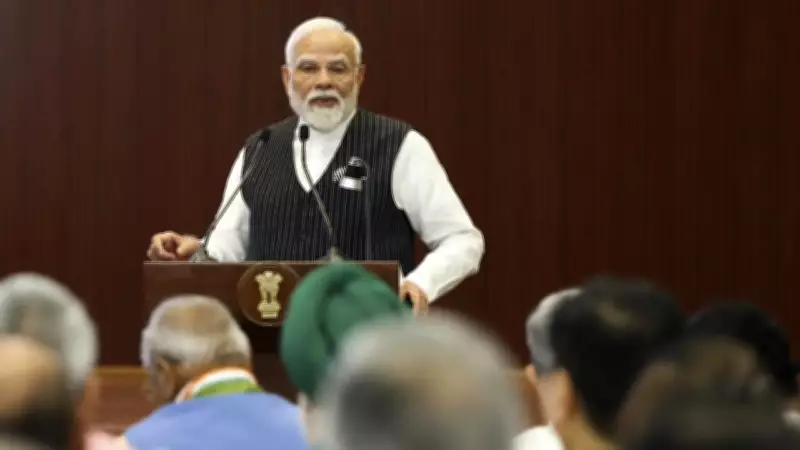
PM Modi to Convene High-Level Meeting with Chief Ministers on West Asia Conflict Preparedness
Prime Minister Narendra Modi is set to engage in a crucial video-conference with chief ministers from across India, focusing on strategies to address the fallout from the ongoing West Asia conflict. This meeting aims to bolster synergy among states and union territories under the "Team India" initiative, ensuring a coordinated national response to potential disruptions, particularly in energy supplies.
Exclusion of Poll-Bound States Due to Model Code of Conduct
Notably, chief ministers from Assam, Kerala, Tamil Nadu, West Bengal, and the union territory of Puducherry will not participate in this interaction. This exclusion is a direct result of the Model Code of Conduct currently in effect due to upcoming elections in these regions. To maintain continuity, the cabinet secretariat will separately engage with the chief secretaries of these states and Puducherry, ensuring their administrative preparedness is aligned with national efforts.
Focus on Energy Security and Import Vulnerabilities
The meeting comes amid heightened concerns over the impact of the West Asia conflict, which includes the Israel-Iran war, on global energy markets. Since the conflict escalated with the US and Israel declaring war against Iran on February 28, PM Modi has consistently emphasized the need for robust preparedness to tackle adverse outcomes. Key areas of focus include:

- Securing imports of oil and fertilizers, which are critical for India's economy.
- Addressing potential disruptions in supply chains, especially through strategic choke points like the Strait of Hormuz and Bab al-Mandeb.
- Preventing panic while asserting that India maintains adequate fuel supplies to meet domestic demands.
PM Modi has addressed these issues in both Houses of Parliament, highlighting the government's proactive stance. Additionally, an all-party meeting was convened to brief political leaders on the situation, fostering a unified approach to national security and economic stability.
Broader Context of the West Asia Conflict
The conflict has already had tragic consequences, with reports indicating that one Indian national was killed and another injured by missile debris in Abu Dhabi. In a significant development, Iranian navy commander Alireza Tangsiri, known as the "man who ran Strait of Hormuz," was killed in an Israeli strike. This incident underscores the volatility in the region and the potential for Bab al-Mandeb, referred to as the 'Gate of Tears,' to emerge as a second strategic choke point after Hormuz, further complicating global maritime security.
As India navigates these challenges, the upcoming meeting with chief ministers is a critical step in enhancing inter-state coordination and ensuring that the nation is well-prepared to mitigate risks associated with the West Asia conflict, safeguarding both energy security and economic interests.






