

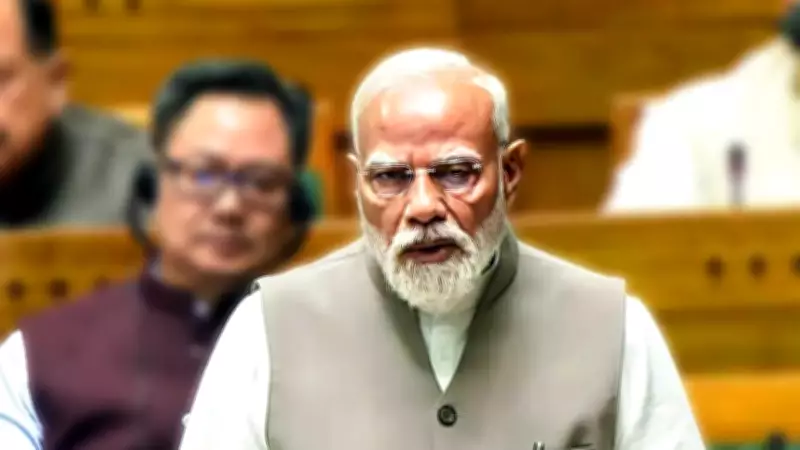
PM Modi Addresses Parliament on West Asia Conflict, Highlights India's Stance
In a significant address to Parliament on Monday, Prime Minister Narendra Modi spoke about the "unprecedented challenges" India faces due to the ongoing conflict in West Asia. He underscored India's firm opposition to attacks on citizens, energy infrastructure, and transport systems, stating that strikes on commercial ships and obstacles to international trade are unacceptable.
Diplomatic Efforts and Concerns
Modi clarified India's diplomatic role, noting that the country has expressed deep concern about the conflict from its outset. "I have spoken to all representatives of West Asian nations, urging everyone to reduce tensions and end this struggle," he said. The conflict, now persisting for over three weeks, has had severe adverse consequences for the global economy and human lives, according to the Prime Minister.
He emphasized that India continues to strive for the safe passage of Indian ships through diplomacy, with Iran already allowing several Indian carriers to cross the Strait of Hormuz. Modi highlighted that India is in constant contact with international partners to ensure the safety of maritime corridors, which has facilitated the return of many Indian ships in recent days.

Economic and Security Pressures
On the challenges confronting India, Modi pointed out that the war has created unprecedented economic, national security, and humanitarian pressures. He explained that India has extensive trade relations with the warring and affected countries, and the conflict zone straddles critical trade routes. A large share of India's crude oil and gas needs is met by this region, making the situation particularly critical.
"The attempt is to continue to receive oil and gas from wherever possible. The Indian government is constantly monitoring shipping routes in the Gulf to ensure the security of essential goods like oil, gas, and fertilizers," Modi stated.
Humanitarian and Regional Concerns
Modi reiterated India's commitment to peace and humanity, asserting that dialogue and diplomacy are the solutions to West Asia's problems. "In this war, no one's life should be in danger for the benefit of humanity. Therefore, India's effort is to encourage all parties to reach a peaceful solution as soon as possible," he said in his first parliamentary statement on the crisis.
He drew attention to the nearly one crore Indians living and working in Gulf countries, as well as the significant number of Indian crew members on commercial ships in those waters. "India's concerns are naturally greater, and it is essential that a united and unanimous voice goes out to the world from India's Parliament on this crisis," Modi emphasized.
Background and Context
The movement of ships through the Strait of Hormuz became difficult after the war began, Modi recalled, noting his conversations with leaders of the Gulf Cooperation Council (GCC) and other West Asian countries. Foreign Minister S. Jaishankar had earlier indicated that India would focus on talks with Iran to facilitate ship movement, amidst U.S. President Donald Trump's efforts to form a coalition for warship deployment in the strait—an idea that gained little traction even among U.S. allies.
Modi's address comes amid broader international tensions, including reports of Iran vowing tit-for-tat strikes and threats to U.S.-Israel energy facilities, though these were not directly addressed in his speech. The Prime Minister's focus remained on India's diplomatic initiatives and the imperative of safeguarding national interests and global trade stability.






