

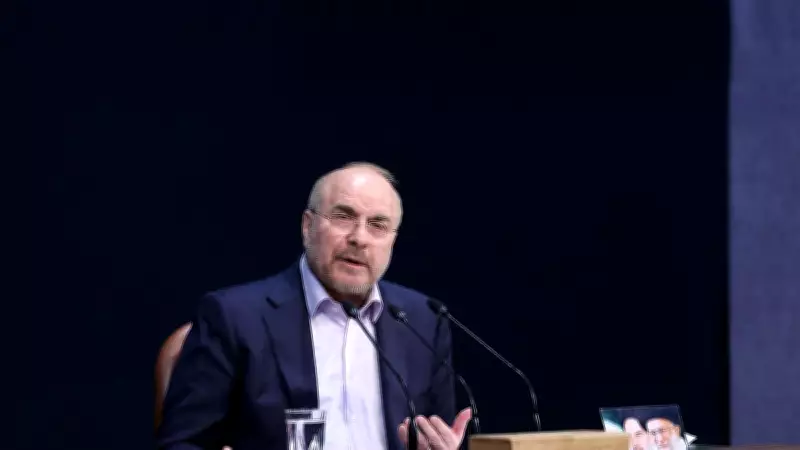
White House Eyes Iran's Parliament Speaker Ghalibaf as Potential US-Backed Leader
In a significant development in Middle Eastern geopolitics, the White House is reportedly considering Iranian Parliament Speaker Mohammad Bagher Ghalibaf as a potential US-backed leader for Iran. According to a recent report, at least some officials within the White House view Ghalibaf as a workable partner who could lead Iran and engage in negotiations with the Trump administration during the next phase of the ongoing conflict.
Ghalibaf Seen as a Viable Partner for US Interests
The report highlights that Ghalibaf is perceived by certain White House circles as a pragmatic figure capable of steering Iran towards a more cooperative stance with the United States. This perspective emerges amid escalating tensions and the complex dynamics of the war, suggesting a strategic shift in US policy towards Iran. Ghalibaf, a former mayor of Tehran and a prominent conservative politician, has a background in military and political leadership, which some US officials believe could make him an effective interlocutor.
Key aspects of this consideration include:

- Ghalibaf's experience in governance and his potential to stabilize Iran's political landscape.
- The possibility of him leading Iran in a direction that aligns with US strategic interests in the region.
- His ability to negotiate with the Trump administration, which has been characterized by a hardline approach towards Iran.
Implications for US-Iran Relations and Regional Stability
This development could have profound implications for US-Iran relations and the broader Middle East. If the White House proceeds with backing Ghalibaf, it may signal a move towards supporting regime change or influencing Iran's internal politics to foster a more amenable leadership. Such a strategy could reshape diplomatic efforts and conflict resolution in the region, potentially leading to new alliances or heightened tensions.
The report underscores the ongoing volatility in US-Iran interactions, with the White House exploring unconventional avenues to achieve its foreign policy objectives. As the war enters its next phase, the role of potential leaders like Ghalibaf will be closely watched by international observers, impacting global perceptions of US involvement in Middle Eastern affairs.
This news, sourced from Reuters and published on March 24, 2026, reflects the evolving nature of geopolitical strategies in a turbulent era. The White House's interest in Ghalibaf as a US-backed leader highlights the continuous search for partners who can navigate the intricate web of regional politics and contribute to a more stable future.






