Prime Minister Narendra Modi's Upcoming Diplomatic Mission to Israel
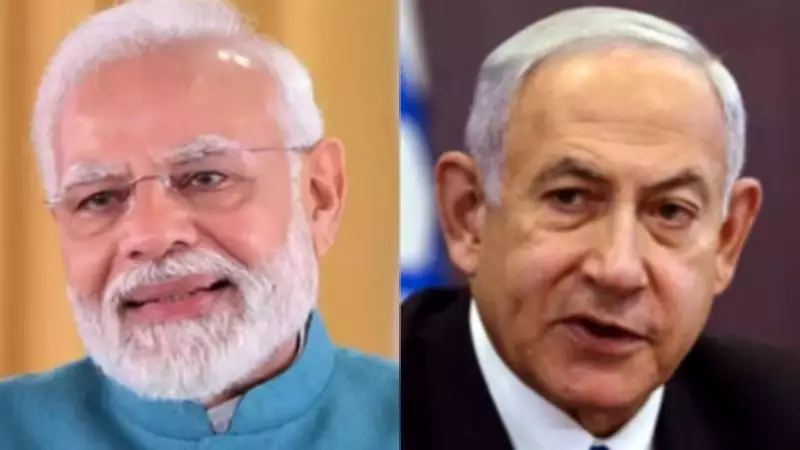
In a significant diplomatic development, Prime Minister Narendra Modi is scheduled to undertake an official visit to Israel from February 25 to 26, 2024. This high-profile trip comes at the formal invitation of Israeli Prime Minister Benjamin Netanyahu, marking a continuation of the strengthened bilateral relationship between the two nations.
A Return to Strategic Partnership Ground
This will be Prime Minister Modi's second official visit to Israel, following his groundbreaking 2017 trip where he became the first Indian Prime Minister to travel to the country. That historic visit successfully elevated the bilateral relationship to a formal strategic partnership. The diplomatic exchange was reciprocated when Prime Minister Netanyahu visited India in January 2018, further cementing ties.
During the upcoming visit, the itinerary is packed with significant engagements. Prime Minister Modi will hold comprehensive delegation-level talks with his Israeli counterpart, Benjamin Netanyahu. Additionally, he is scheduled to meet with Israeli President Isaac Herzog and deliver an address to the Knesset, Israel's parliamentary body. Netanyahu will host a private dinner in honor of the visiting leader, while the schedule also includes an innovation event in Jerusalem and a joint visit to Yad Vashem, the World Holocaust Remembrance Center.

Defence and Security: Cornerstone of Discussions
Defence and security cooperation is anticipated to form a crucial component of the bilateral discussions. Israel has established itself as a major supplier of advanced military platforms and sophisticated weapon systems to India. Both nations are expected to thoroughly review their ongoing defence collaboration and explore avenues for further strategic partnership.
According to reports from news agency PTI, India is currently developing an indigenous air defence shield named 'Sudarshan Chakra.' During the talks, Indian officials may explore the technical possibility of incorporating certain advanced elements from Israel's renowned Iron Dome missile defence system into this domestic project, potentially enhancing India's aerial defence capabilities.
Economic Engagement and Technological Collaboration
Trade, technology, and economic ties are also expected to feature prominently on the agenda. Significant groundwork has already been laid in this area. During Commerce Minister Piyush Goyal's visit to Israel in November 2023, both countries signed the terms of reference for launching formal negotiations on a comprehensive Free Trade Agreement. Furthermore, in September 2023, India and Israel signed a bilateral investment treaty aimed at expanding and protecting economic cooperation between the two economies.
The Ministry of External Affairs has indicated that the two leaders will review progress across multiple collaborative domains, including:
- Science and technology innovation
- Agricultural research and development
- Advanced water management techniques
- Bilateral trade expansion
- People-to-people cultural exchanges
Regional Diplomacy and the 'Hexagon' Alliance Vision
The leaders are expected to exchange perspectives on pressing regional and global developments, with particular focus on the ongoing situation in Gaza and the wider tensions affecting West Asia. Ahead of the visit, Prime Minister Netanyahu described Modi's trip as "historic" and referred to the Indian leader as a "dear friend," highlighting the personal rapport between the two statesmen.
Netanyahu has articulated a broader diplomatic vision centered on building what he terms a "hexagon" of strategic alliances. This proposed framework would involve coordinated cooperation among India, select Arab nations, key African countries, and Mediterranean states. According to the Israeli leader, the primary objective of this alliance network is to strengthen coordination among like-minded nations and collectively counter radical axes operating within the region, presenting a significant geopolitical development in West Asian diplomacy.