

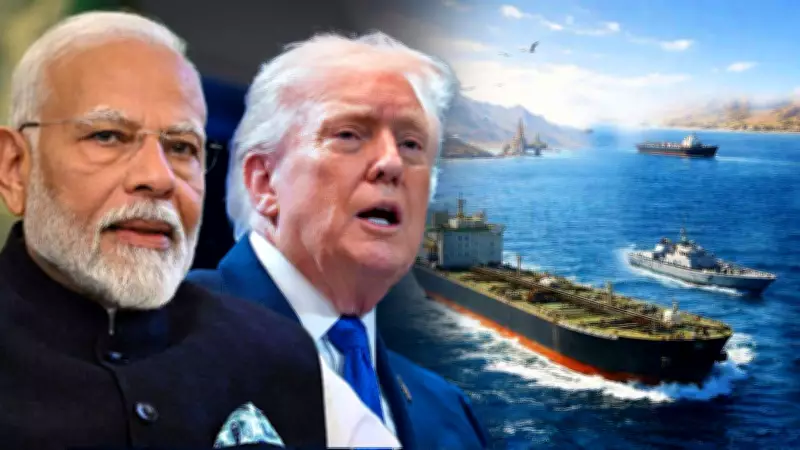
PM Modi's Strategic Call With Trump: India's Firm Stance On Strait Of Hormuz
In a high-stakes diplomatic moment, Prime Minister Narendra Modi engaged in a critical phone conversation with former US President Donald Trump as the West Asia conflict intensifies. The focus of their discussion was sharply centered on ensuring the Strait of Hormuz remains open and secure for international maritime traffic.
India's Red Line On Maritime Security
Prime Minister Modi emphasized that disruptions to this key maritime route are completely unacceptable, given their direct and profound impact on global energy flows and India's economic stability. The Strait of Hormuz serves as a vital artery for oil transportation, and any interference could trigger significant repercussions for energy markets worldwide.
This diplomatic call underscores India's delicate balancing act: engaging constructively with all sides while firmly protecting national interests. With rising threats to shipping lanes and increasing global volatility, India is actively pushing for dialogue and de-escalation measures to prevent further deterioration of the situation.

Economic Preparedness And Broader Coordination
Simultaneously, India is preparing for potential economic fallout should tensions persist in the region. The government is developing contingency plans to mitigate any adverse effects on energy supplies and trade routes that pass through this strategic waterway.
Discussions with regional players, including Sri Lankan political leader Anura Kumara Dissanayake, reflect a broader coordination effort aimed at building consensus around maritime security and stability. As geopolitical risks continue to rise, India's message remains consistent and clear: while peace is essential, uninterrupted energy access is non-negotiable for the nation's security and development.
The conversation between Modi and Trump represents a significant moment in India's foreign policy approach, demonstrating the country's growing assertiveness in protecting its strategic interests on the global stage. This development comes at a time when traditional alliances are being tested and new geopolitical realities are emerging across the international landscape.






