Strategic Outcomes of PM Modi's Tri-Nation Tour
The Bharatiya Janata Party (BJP) has outlined the key achievements from Prime Minister Narendra Modi's recent visits to Seychelles, Indonesia, and Australia, emphasizing significant gains in maritime security, trade agreements, and diplomatic partnerships. The visits, which took place from July 10 to July 12, 2026, were aimed at strengthening India's ties with these strategically important nations in the Indian Ocean and Indo-Pacific regions.
Enhanced Maritime Cooperation with Seychelles
During his visit to Seychelles, PM Modi signed a landmark agreement on maritime security, including the sharing of real-time data on vessel movements and joint patrolling of the Exclusive Economic Zones. The agreement is expected to bolster surveillance and counter-piracy operations in the region. According to a BJP spokesperson, "The pact will enhance India's strategic footprint in the Indian Ocean and ensure safer seas for trade." Additionally, India committed to providing a second offshore patrol vessel to Seychelles, strengthening its naval capabilities.
Economic and Infrastructure Pacts with Indonesia
In Indonesia, the Prime Minister secured a $1.2 billion investment deal in renewable energy and infrastructure projects, including the development of solar parks and smart cities. The two nations also agreed to expedite the India-Indonesia Comprehensive Economic Cooperation Agreement (CECA), which is expected to double bilateral trade from $30 billion to $60 billion by 2030. A joint statement highlighted cooperation in digital technology and healthcare, with India offering 10,000 additional scholarships for Indonesian students under the ITEC program.

Defense and Technology Partnership with Australia
The Australia leg of the visit saw the signing of a Mutual Logistics Support Agreement (MLSA), allowing military access to each other's bases for joint exercises and humanitarian missions. This is in addition to the existing Quad framework. PM Modi and Australian Prime Minister Anthony Albanese also launched a critical minerals partnership to secure supply chains for lithium and rare earth elements, crucial for India's electric vehicle and electronics sectors. The two leaders announced a target of $100 billion in bilateral trade by 2035.
BJP's Assessment of the Visits
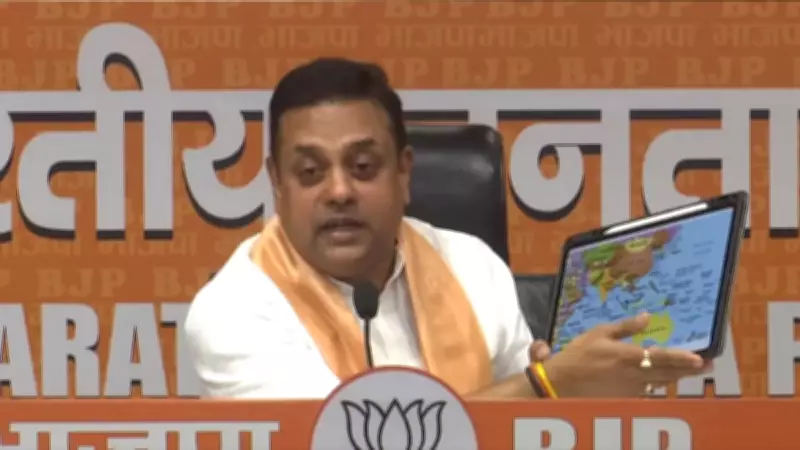
BJP national spokesperson Sambit Patra said in a press conference, "These visits have not only enhanced India's strategic autonomy but also opened new avenues for economic growth and security cooperation. The agreements reflect Prime Minister Modi's vision of a secure and prosperous Indo-Pacific." The party highlighted that the visits resulted in 15 pacts across sectors, including defense, trade, energy, and education.
Geopolitical Implications
Analysts note that the visits come at a time of rising Chinese assertiveness in the region. India's strengthened ties with these countries are seen as a counterbalance to Beijing's influence. The agreements on maritime domain awareness and logistics support are particularly significant for ensuring freedom of navigation in the South China Sea and Indian Ocean.