

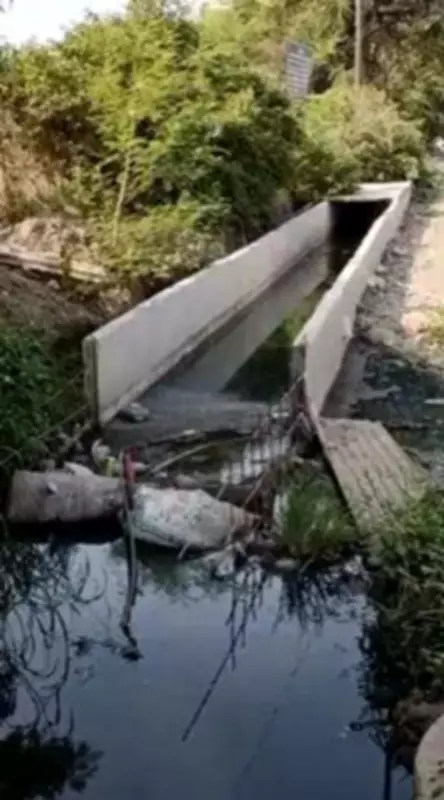
Pune Municipal Corporation Alerts NHAI Over Sewer Line Damage and Environmental Threat
The Pune Municipal Corporation has formally raised concerns with the National Highways Authority of India regarding excavation activities that severely damaged a sewer line in Bavdhan. This incident has resulted in significant sewage leakage, creating immediate public health hazards and potentially endangering the water quality of Pashan lake.
Official Communication and Immediate Concerns
In a letter dated March 17 from the Kothrud-Bavdhan ward office, the civic body detailed how the excavation work on a service road compromised the sewerage system. The damage has led to sewage-mixed water accumulating extensively on the roadway, creating multiple problems for the local community.
The letter specifically highlighted three critical issues:

- Persistent foul odor affecting residents and commuters
- Significant water stagnation creating unhygienic conditions
- Increased risk of mosquito breeding that could lead to disease outbreaks
The municipal corporation explicitly warned about potential health consequences, including the spread of vector-borne diseases like dengue and malaria. The communication demanded immediate corrective measures and made it clear that responsibility for any consequences would rest squarely with the executing agency if prompt action was not taken.
Civic Response and Repair Efforts
A senior PMC official confirmed that the damage occurred during infrastructure development work being carried out by NHAI. "The drainage line was positioned in close proximity to a natural nullah," the official explained. "Following the breakage, sewage began mixing directly into the nullah, which subsequently flows into the Ramnadi and continues onward toward Pashan lake."
The official clarified that the incident happened while NHAI was conducting stormwater duct work in the area. Despite the municipal corporation issuing an immediate notification about the problem, there was no initial response from the concerned agency. This lack of action prompted PMC to take matters into their own hands.
Another municipal representative stated, "We instructed our contractor to address the problem immediately when we observed that no corrective measures were being taken by the responsible agency. The damaged drainage line caused sewage to spread throughout the area, resulting in foul smells and creating unhygienic conditions that encouraged mosquito breeding."
The repair work has now been initiated and is expected to be completed within the coming days, according to municipal authorities.
Environmental Impact and Lake Pollution Concerns
Environmental activists have expressed serious concerns that the sewage leakage has contributed directly to pollution in Pashan lake. Recent observations have revealed multiple dead fish floating in the lake waters, suggesting deteriorating water quality that threatens aquatic ecosystems.
Advocate Krunnal Gharre, who shared the PMC letter with media outlets, conducted a detailed map-based analysis of the situation. "The official map clearly indicates the confluence point where this flow meets the Ramnadi near the Pashan lake inlet," Gharre explained. "The interception line specifically constructed to capture sewage from the Bavdhan side appears to have been compromised, allowing untreated sewage to enter natural stormwater channels and ultimately reach the lake."
Gharre further elaborated on the potential long-term consequences, stating, "Sustained leakage in such close proximity to the lake could significantly worsen water quality parameters. Unchecked sewage flow increases organic load and reduces oxygen levels in the water, which can severely affect aquatic life and disrupt the entire ecosystem balance."
NHAI's Position and Broader Implications
When contacted for their perspective on the incident, NHAI officials declined to comment on the matter. This silence has raised questions about accountability and coordination between different government agencies working on infrastructure projects in urban areas.

The Pune Municipal Corporation had recommended several specific actions in their official communication, including issuing a stop-work notice for the project and withholding contractor payments until the sewage leakage issue was completely resolved. These recommendations highlight the seriousness with which the civic body views both the immediate public health concerns and the potential environmental damage.
This incident underscores the critical need for better coordination between different government agencies executing infrastructure projects in sensitive urban and environmental zones. It also raises important questions about monitoring mechanisms and accountability protocols when such incidents occur during public works projects.





