

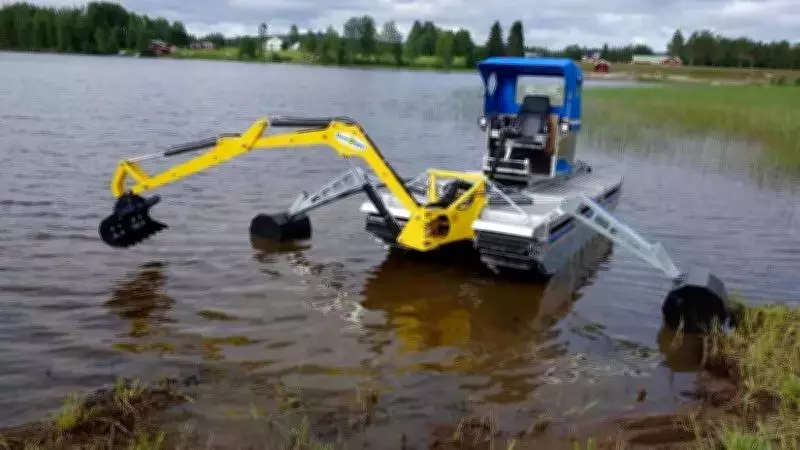
Punjab Government Expresses Alarm Over Beas River De-silting Delays Due to NGT Restrictions
The Punjab government has voiced significant concern regarding its inability to undertake de-silting operations on the Beas River, attributing the delays to restrictions imposed by the National Green Tribunal (NGT). Officials have warned that the state could face severe risks if the silt accumulated after recent floods is not removed in a timely manner.
Assembly Discussion Highlights Flood Threats
The issue was brought to the forefront in the Punjab assembly by AAP MLA Dalbir Singh, who inquired whether it was true that the Beas had not been de-silted in the Baba Bakala constituency. He highlighted that this negligence has led to a rise in the riverbed level, thereby increasing the potential for flooding. Singh also sought details on any government proposals and timelines for carrying out the de-silting process.
Minister Details Procedural Hurdles
In response, Water Resources Minister Barinder Kumar Goyal explained that the department had initially notified 85 de-silting sites through a notification dated October 16, 2025, following floods that year. This included 29 specific sites on the Beas River. The department also began preparing detailed project reports (DPRs) and obtaining approvals from the state technical advisory committee (STAC), which was constituted in accordance with guidelines from the Government of India.

However, Goyal pointed out a major obstacle: during the tenure of the previous Congress government, a stretch of the Beas from Talwara to Harike was declared a Ramsar site under the Wildlife Protection Act, 1972, without the department's consent. This designation has made even the removal of a small amount of silt extremely challenging due to environmental protections.
Criticism of NGT Restrictions
The minister acknowledged that large quantities of silt have accumulated in the river following floods and emphasized that removing it requires a lengthy and complex process. According to the rules, conservation and mitigation plans must first be prepared by consultants. Only after this can a proposal for de-silting be submitted on the portal of the Union Ministry of Environment and Forest.
Goyal criticized the restrictions imposed by the NGT, stating that they were introduced without consulting or taking feedback from the Punjab government. He argued that these restrictions have hampered efforts to clear the accumulated silt, posing a significant threat. "If the Beas is not de-silted and floods occur again, Punjab could face extensive damage," he warned.
Ongoing Efforts and Future Steps
The minister informed the assembly that the process has already been initiated, with a consultant engaged to prepare the necessary reports. Once the final reports are submitted, the proposal will be sent to the central government. Action to de-silt the identified sites on the Beas will proceed after receiving all necessary approvals.
Joining the discussion, Speaker Kultar Singh Sandhwan described the matter as serious and urged the minister to resolve the issue at the earliest. He suggested that efforts should be made to clear the accumulated silt without getting entangled in procedural complications.
Related Infrastructure and Education Discussions
In other assembly matters, Public Works Minister Harbhajan Singh addressed concerns about the dilapidated condition of the Mattewara–Rahon road. He noted that the road is due for periodic repair starting January 2026 and attributed its deterioration to heavy traffic from mining vehicles. A crust design study is being conducted by the research laboratory in Patiala to ensure greater durability, with repairs scheduled for 2026–27.
Additionally, Education Minister Harjot Singh Bains discussed the expansion of transport services in government schools. Encouraged by positive results from a pilot program, Finance Minister Harpal Singh Cheema called for expanding the facility statewide to benefit more students. Bains emphasized that improving transport could be more effective than merely upgrading schools, as it allows children to interact with larger groups, supporting overall development.






