

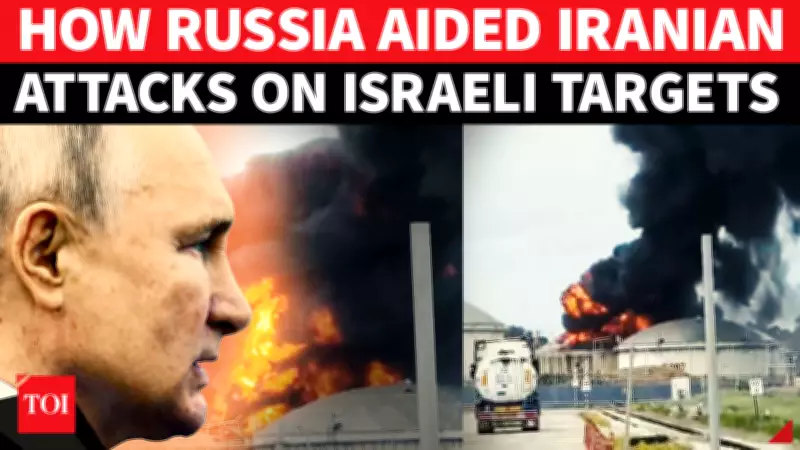
Putin's Alleged Role: Did Russia Provide Iran with 55 Israeli Energy Targets?
In a startling revelation that could reshape the geopolitical landscape of the Middle East, Ukrainian intelligence has reportedly disclosed that Russia may have assisted Iran in identifying critical energy infrastructure within Israel. According to an Israeli media outlet citing these intelligence sources, Moscow allegedly provided Tehran with a list of 55 specific energy units across Israel, potentially enabling targeted attacks.
Intelligence Claims and Strategic Implications
The allegations surfaced shortly after Ukrainian President Volodymyr Zelensky asserted that Russia continues to offer intelligence support to Iran amidst the ongoing regional conflict. This development suggests a deepening alliance between Moscow and Tehran, with Israel's energy security now appearing to be a focal point of their covert cooperation.
The strategic significance of this intelligence cannot be overstated. Energy infrastructure, including power plants, oil refineries, and electrical grids, forms the backbone of any modern nation's economy and daily life. Targeting such assets could cripple Israel's operational capabilities and inflict severe economic damage, representing a shift towards asymmetric warfare tactics in the region.

Context of Escalating Tensions
This revelation comes against a backdrop of heightened hostilities. Recent reports have detailed a series of aggressive actions, including:
- Missile and cluster strikes on Tel Aviv by Iran, resulting in casualties and structural damage in Haifa.
- Alleged Iranian involvement in incidents near the White House, raising global security concerns.
- Footage showing Mojtaba Khamenei, a key Iranian figure, in a war room with Israeli nuclear sites in focus.
- Military engagements involving downed U.S. aircraft such as F-15Es, F-16s, F-35 stealth fighters, and Black Hawk helicopters.
- Hezbollah's reported use of Russian drone technology against Israeli Defense Forces (IDF).
These events collectively paint a picture of a region on the brink, where traditional alliances are being tested and new threats are emerging with alarming frequency.
Broader Geopolitical Ramifications
The alleged transfer of targeting intelligence from Russia to Iran underscores a complex web of international relations. It highlights how conflicts in one region, such as Ukraine, can have direct repercussions in another, like the Middle East. This interplay suggests that global powers are increasingly using proxy strategies and intelligence sharing to advance their interests without direct confrontation.
Furthermore, the involvement of Ukrainian intelligence in exposing these details adds another layer of intrigue. It indicates that Kyiv is actively monitoring and disclosing Russian activities abroad, potentially as part of a broader effort to undermine Moscow's credibility and alliances on the world stage.
Looking Ahead: Security and Diplomatic Challenges
As these allegations circulate, several critical questions arise. How will Israel respond to this perceived threat to its energy infrastructure? What measures might be taken to safeguard these vital assets? And how will international bodies, including the United Nations and key Western allies, address the escalating cooperation between Russia and Iran?
The situation demands vigilant monitoring, as any attack on the listed targets could trigger a significant escalation, drawing in multiple nations and potentially destabilizing the region further. The world watches closely, aware that the stakes in this secret war strategy are higher than ever.






