

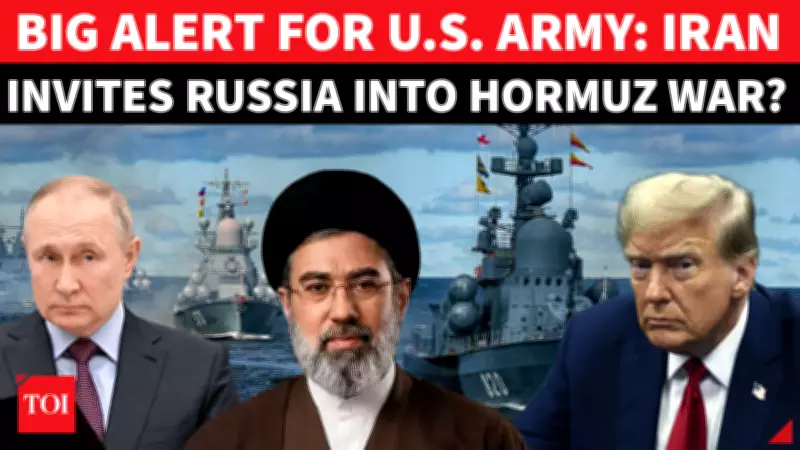
Putin Weighs Support for Iran as Strait of Hormuz Tensions Escalate
Russian President Vladimir Putin is reportedly considering backing Iran in a potential "Strait of Hormuz War," following an urgent phone call between Moscow and Tehran. This development comes as tensions mount in the critical waterway, with Iran warning it will fiercely defend its sovereignty against ongoing attacks by the United States and Israel.
Urgent Diplomatic Exchange Between Russia and Iran
In a high-stakes diplomatic move, Iran's Foreign Minister Abbas Araghchi spoke with Russia's Foreign Minister Sergey Lavrov. During the conversation, Araghchi emphasized Iran's "principled stance" against the attacks targeting both military and civilian sites. Tehran insists its actions in the Strait of Hormuz are purely defensive, aimed at blocking adversaries while ensuring the safety of global navigation.
Moscow has signaled support for Iran's position, stressing the importance of regional stability. This alignment raises significant concerns about a potential Iran-Russia partnership opposing U.S. interests in the Middle East. The strategic implications of such cooperation could reshape geopolitical dynamics in an already volatile region.

The Strait of Hormuz: A Flashpoint for Global Conflict
The Strait of Hormuz, a vital chokepoint for global oil shipments, now stands at the center of a chilling showdown. Approximately 20% of the world's oil passes through this narrow waterway, making it a focal point for international security and economic stability. The escalating conflict threatens to disrupt this crucial trade route, potentially triggering a broader regional war.
Iran has repeatedly stated that its military activities in the area are defensive measures. However, the persistent attacks by U.S. and Israeli forces have intensified the situation, leading to fears of an all-out confrontation. The involvement of Russia adds another layer of complexity, as global powers maneuver to protect their strategic interests.
Broader Regional Implications and International Response
The potential Iran-Russia alignment comes amid a series of related incidents that have heightened tensions across the Middle East. Recent reports indicate:
- Iranian strikes on Saudi Arabia's Prince Sultan Base, resulting in injuries to U.S. personnel and damage to aircraft.
- Deadly cluster bomb attacks in Tel Aviv, causing explosions and widespread panic.
- U.S. confirmations of hundreds of soldiers injured in Iranian attacks since the conflict began.
- Threats from Iran's Islamic Revolutionary Guard Corps (IRGC) to expand the war zone and target U.S. infrastructure.
These events underscore the rapidly deteriorating security situation. International observers warn that without immediate de-escalation, the conflict could spiral into a larger war with devastating consequences for global stability and energy markets.






