

Putin Steps Forward as Mediator After Iran-US Peace Talks in Islamabad Fail
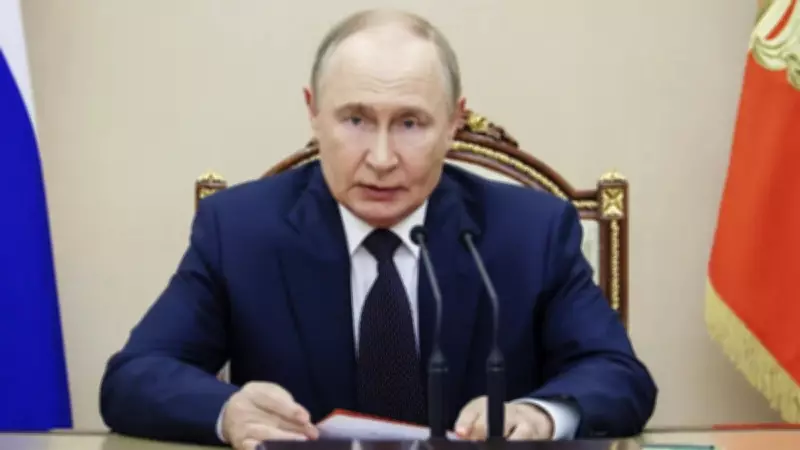
In a significant diplomatic development, Russian President Vladimir Putin has formally offered to act as a mediator between Iran and the United States. This proposal comes directly in the wake of the recent collapse of peace negotiations held in Islamabad, which were aimed at resolving longstanding tensions between the two nations. The failed talks have heightened concerns over regional stability, prompting Putin to intervene with a call for renewed dialogue.
Background of the Islamabad Peace Talks
The peace talks in Islamabad, which concluded without a breakthrough, were part of a broader international effort to address critical issues such as nuclear proliferation, economic sanctions, and security arrangements in the Middle East. Despite high hopes from global observers, the discussions faltered due to deep-seated disagreements on key points, including verification mechanisms and the timeline for sanctions relief. This impasse has left a vacuum in diplomatic channels, exacerbating fears of further escalation.
Putin's Mediation Offer and Its Implications
President Putin's offer to mediate is seen as a strategic move to bolster Russia's influence in global affairs, particularly in the volatile Middle East region. In a statement, the Kremlin emphasized Russia's readiness to facilitate constructive talks, leveraging its relationships with both Iran and the US. This initiative could potentially open new avenues for negotiation, though it also raises questions about the dynamics of international diplomacy and the roles of other major powers.

Experts suggest that Putin's involvement might help bridge gaps by providing a neutral platform, but success will depend on the willingness of both parties to compromise. The offer underscores Russia's ongoing efforts to position itself as a key player in conflict resolution, amid ongoing geopolitical rivalries.
Global Reactions and Future Prospects
The international community has responded with cautious optimism to Putin's proposal. While some nations view it as a positive step toward de-escalation, others remain skeptical about Russia's motives and the feasibility of achieving a lasting agreement. The United Nations and other multilateral organizations have expressed support for any efforts that promote peace, but stress the need for inclusive and transparent negotiations.
Looking ahead, the focus will be on whether Iran and the US accept Putin's mediation. If they do, it could lead to a new round of talks, possibly hosted in a neutral location like Moscow. However, challenges such as trust deficits and conflicting strategic interests may continue to hinder progress. The situation remains fluid, with stakeholders closely monitoring developments for signs of breakthrough or further stalemate.






