The upcoming visit of Russian President Vladimir Putin to India is being viewed as a significant diplomatic event, underscoring the depth of the strategic partnership between the two nations. The importance of the visit is amplified by the fact that President Putin does not travel to every country, making his choice of destination a statement in itself.
An MLA's Perspective on Bilateral Ties
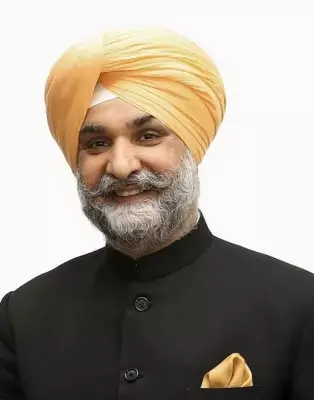
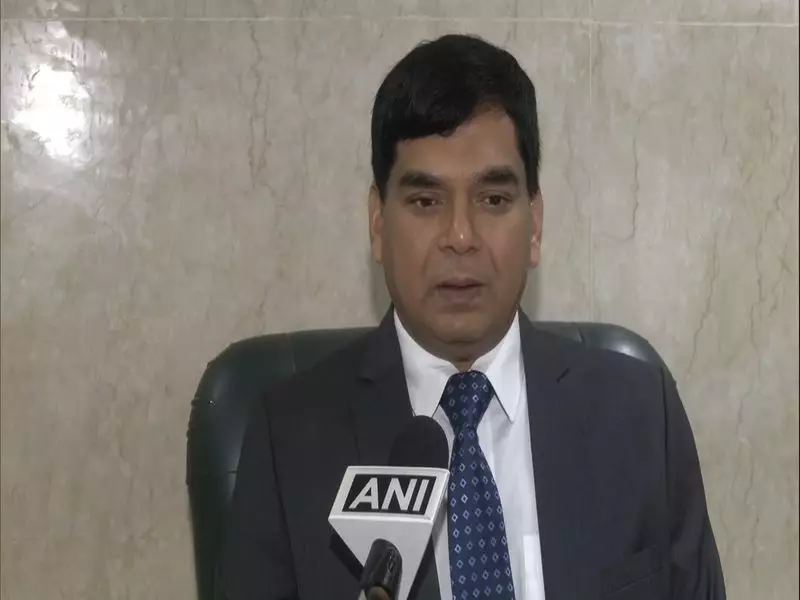
This perspective was highlighted by Dr. Sanjay Dhotre, a Member of the Legislative Assembly (MLA) in Russia's Ulyanovsk region, who is of Indian origin. Dhotre emphasized that Putin's decision to visit India carries considerable weight in international diplomacy. "The Russian President does not visit every country, hence his visit to India is significant," Dhotre stated, pointing to the special and time-tested relationship shared by New Delhi and Moscow.
The MLA, who has been living in Russia for over three decades, serves as a unique bridge between the two cultures. His remarks come at a time when global geopolitics are in flux, and India continues to maintain a balanced foreign policy, nurturing its historic ties with Russia while engaging with other global powers.

The Context of the Strategic Partnership
The India-Russia relationship, often described as a "special and privileged strategic partnership," has traditionally been strong, spanning decades and covering crucial areas like defence, energy, and space cooperation. Despite international pressures and changing global alignments, both nations have worked to sustain and deepen this partnership.
High-level visits are a cornerstone of this engagement. A visit by President Putin, which is anticipated to be scheduled, would follow a series of important interactions between Indian and Russian leadership. It would provide an opportunity to review progress on key initiatives and discuss pressing global and regional issues.
Defence cooperation remains a pivotal pillar, with India historically relying on Russian military hardware. Furthermore, collaboration in energy, particularly in the oil and nuclear sectors, and initiatives to enhance trade in national currencies are likely to be high on the agenda during such a high-profile summit.
Implications and the Road Ahead
The significance of the visit, as outlined by Dr. Dhotre, extends beyond mere protocol. It signals Russia's continued commitment to its partnership with India and acknowledges India's growing stature on the world stage. For India, it represents a chance to reaffirm an important bilateral relationship that contributes to its strategic autonomy.
Such a visit would also offer a platform to address practical challenges in the relationship, such as boosting bilateral trade and streamlining payment mechanisms amidst international financial sanctions. The personal rapport between leaders often helps in navigating complex diplomatic waters and finding mutually acceptable solutions.
In conclusion, the potential visit of President Vladimir Putin to India, as highlighted by an Indian-origin Russian legislator, is more than just a diplomatic formality. It is a potent symbol of a resilient partnership that both nations value highly. As the world watches, this engagement will be crucial in shaping the next chapter of India-Russia relations in an increasingly multipolar world order.