

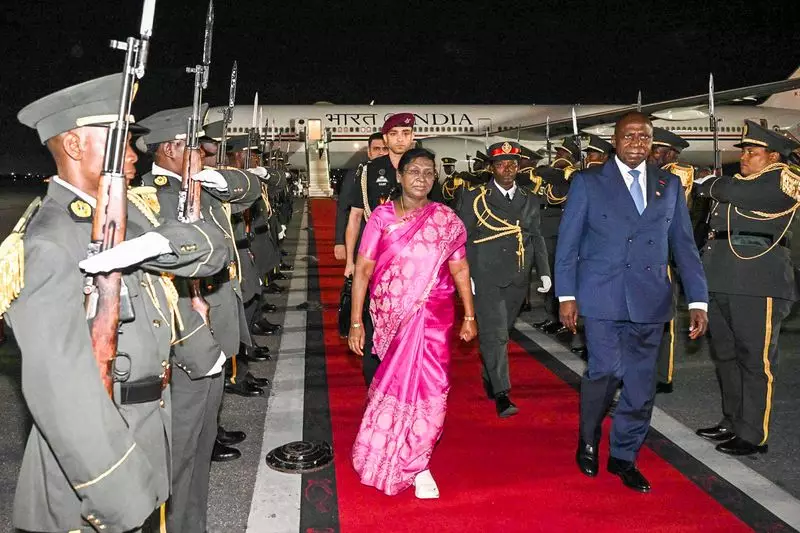
In a significant move to bolster India's strategic engagement with African nations, Defence Minister Rajnath Singh embarked on a landmark visit to Angola, marking a new chapter in bilateral relations between the two countries. This high-profile visit represents India's continued efforts to deepen its footprint in the African continent through enhanced defence and security cooperation.
Historic Defence Engagement
The visit, which took place from September 4-5, 2023, saw extensive discussions between Rajnath Singh and Angolan leadership, particularly focusing on strengthening defence partnerships. The Defence Minister held crucial meetings with his Angolan counterpart, Minister of National Defence and Homeland Veterans General João Ernesto dos Santos, where both leaders explored multiple avenues for collaboration.
This marked the first-ever visit by an Indian Defence Minister to Angola, highlighting the growing importance both nations place on their bilateral relationship. The discussions covered a wide spectrum of defence cooperation areas, including military training, capacity building, and potential defence equipment partnerships.

Comprehensive Bilateral Discussions
Beyond defence matters, the engagement encompassed broader aspects of the India-Angola relationship. Rajnath Singh also met with Angolan Minister of External Relations Téte António, where they reviewed the entire spectrum of bilateral cooperation. The ministers expressed satisfaction with the current state of relations while identifying new areas for potential collaboration.
The talks emphasized enhancing economic ties and exploring opportunities in various sectors including energy, infrastructure development, and digital technology. Both nations recognized the untapped potential in their economic relationship and committed to creating frameworks that would facilitate increased trade and investment flows.
India's Broader Africa Outreach
Rajnath Singh's Angola visit forms part of India's comprehensive strategy to strengthen engagement with African nations. This approach aligns with India's stated commitment to Africa's growth and development, emphasizing partnership rather than patronage.
The timing of this visit is particularly significant as India continues to expand its strategic footprint in Africa amid growing global competition in the region. External Affairs Minister S Jaishankar has previously underscored Africa's importance in India's foreign policy priorities, and this defence engagement reinforces that commitment.
India's approach to Africa has consistently focused on capacity building, technology transfer, and infrastructure development that aligns with the development priorities of African nations. The defence cooperation discussed during this visit complements these broader objectives while addressing shared security concerns.
Future Prospects and Strategic Implications
The successful conclusion of this historic visit sets the stage for deeper India-Angola cooperation in the coming years. Both nations have agreed to maintain high-level engagements and work towards concrete outcomes in identified areas of collaboration.
The defence partnership holds particular significance given the evolving security dynamics in the region and India's capabilities in providing cost-effective defence solutions. Indian defence equipment and training programs could play a crucial role in enhancing Angola's security capabilities while creating new opportunities for Indian defence manufacturers.
This engagement also reinforces India's position as a reliable partner for African nations seeking mutually beneficial relationships rather than dependency-creating arrangements. The visit demonstrates India's commitment to South-South cooperation and its willingness to invest in long-term partnerships with African countries.
As India continues to expand its global footprint, relationships with key African nations like Angola will play an increasingly important role in shaping its international standing and economic prospects. The success of this visit indicates that both nations are committed to translating their political goodwill into tangible outcomes that benefit their peoples.






