

Ramgarh's Hidden WWII Legacy Comes to Light Amid Bomb Disposal
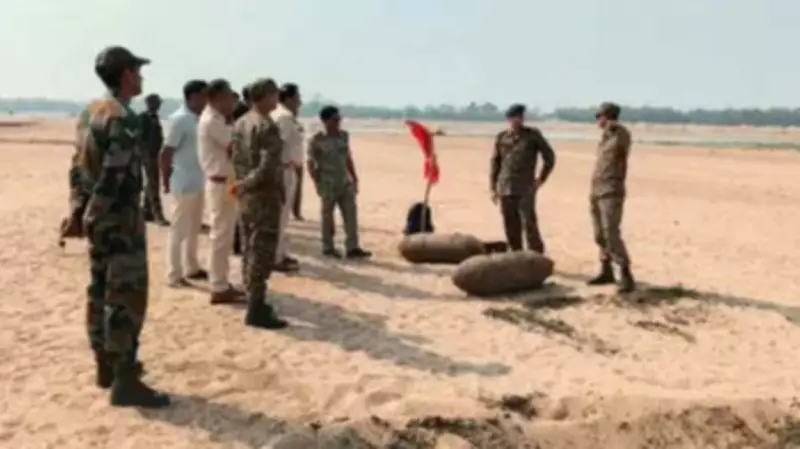
In a striking coincidence, the defusing of two US-made World War II-era bombs on the banks of the Subernarekha River in East Singhbhum district has cast a renewed spotlight on Ramgarh's obscure but significant connection to the United States and the global conflict. This event has unearthed a chapter of history where this now-garrison town played a pivotal role in Allied efforts in Asia.
From Prisoner Camp to Training Hub: Ramgarh's Strategic Transformation
Originally established as a prisoner of war camp, Ramgarh underwent a remarkable transformation during the war. It evolved into a crucial training facility operated by American instructors. Here, thousands of Chinese troops received intensive military training before being deployed to combat Japanese forces on the Burma front, which is present-day Myanmar. This collaboration was part of a broader Allied strategy to bolster resistance in the Asia-Pacific theater.
The Chinese War Cemetery: A Silent Testament to Sacrifice
Standing as a poignant memorial to this forgotten history is the Chinese War Cemetery, a seven-acre site located along the Ramgarh-Barkakana state highway. This cemetery serves as the final resting place for 667 Chinese soldiers, representing the larger 30,000-strong Chinese Expeditionary Force that participated in the arduous Burma campaign. Many of these soldiers were among those trained in Ramgarh, linking the town directly to their legacy.

The cemetery not only honors the fallen but also symbolizes the international cooperation of the era. Today, Ramgarh continues its military association by housing the training centres of the Punjab and Sikh regiments, maintaining a tradition of discipline and service that echoes its wartime past.
Historical Milestone: The Arrival of Chinese Troops
A key historical marker is July 17, 1942, when the first trainload of Chinese troops arrived in Ramgarh. This event marked the beginning of an intensive training program that would prepare these forces for the challenges of the Burma front, showcasing Ramgarh's strategic importance in the Allied war effort.
This rediscovery of Ramgarh's role underscores how local histories are intertwined with global events, offering a unique perspective on World War II's impact in India. As modern developments unfold, such as discussions on regional conflicts and military deployments, remembering these past connections enriches our understanding of historical continuity and international relations.






