

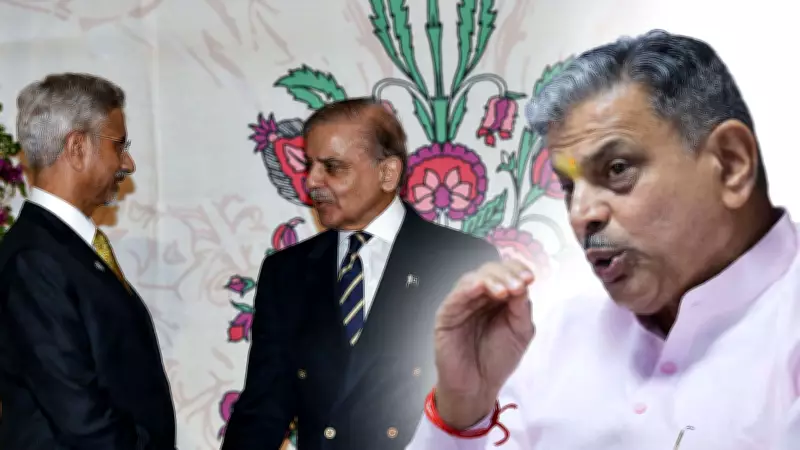
Dattatreya Hosabale, the general secretary of the Rashtriya Swayamsevak Sangh (RSS), has asserted that India should not close the doors for dialogue with Pakistan, even as the neighbouring country continues to provoke India through incidents such as the Pulwama attack. Speaking at an event, Hosabale described Pakistan as a “pinprick” and emphasised that India must respond firmly whenever its national security and self-respect are threatened. However, he stressed that diplomatic engagement should remain alive alongside such firm responses.
Importance of Maintaining Communication
Hosabale noted that diplomatic relations, trade, commerce, and visa services continue between the two nations because maintaining communication is essential for future dialogue. He argued that closing all channels would be counterproductive to long-term peace efforts. The RSS leader highlighted that keeping lines of communication open is a strategic necessity, as it allows for the possibility of resolving disputes through diplomatic means.
Role of People-to-People Ties
He further underscored the significance of people-to-people ties, pointing out that India and Pakistan share deep cultural and historical links that could help reduce tensions over time. Hosabale urged Pakistan’s sportspersons, scientists, and civil society members to play a more active role in promoting peace and normalising bilateral relations. He believes that such grassroots connections can foster mutual understanding and create an environment conducive to dialogue at the official level.

Hosabale’s remarks come amid ongoing tensions between the two countries, with periodic spikes in violence along the Line of Control and cross-border terrorism. The RSS general secretary’s statement reflects a nuanced approach that combines a strong stance on security with an openness to diplomatic engagement. This position aligns with the broader Indian policy of seeking peace while reserving the right to retaliate against aggression.
In conclusion, Hosabale’s call for keeping dialogue channels open with Pakistan, while responding firmly to provocations, underscores the importance of a balanced strategy in dealing with the neighbouring country. By emphasising cultural ties and people-to-people contacts, he advocates for a comprehensive approach that goes beyond official diplomacy to include civil society and non-state actors in the peace process.






