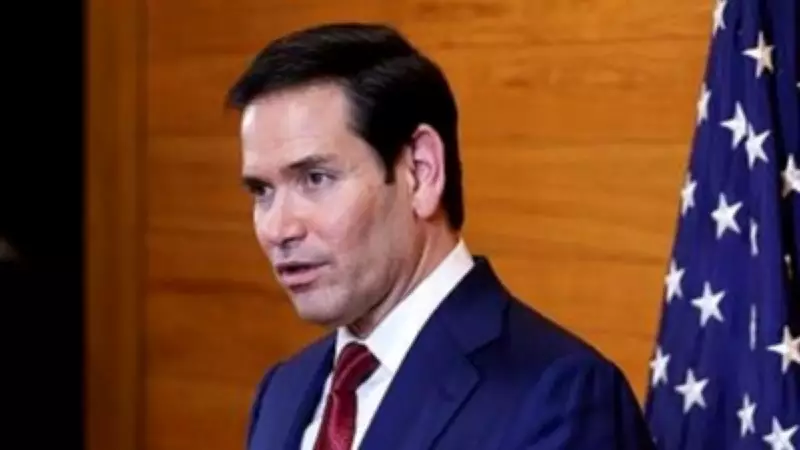
US Senator Advocates for Broader Nuclear Arms Control Framework
In a significant statement on international security, US Senator Marco Rubio has emphasized the necessity of including both China and Russia in any future nuclear arms control agreements. This call comes amid escalating global tensions and the evolving landscape of nuclear capabilities among major powers.
Addressing Modern Security Challenges
Rubio, a prominent figure in US foreign policy discussions, argued that traditional bilateral arms control deals, such as those historically between the United States and Russia, are no longer sufficient in today's multipolar world. He highlighted that China's rapid military expansion and nuclear arsenal growth pose a substantial threat that must be addressed through diplomatic channels. According to Rubio, excluding China from such agreements could undermine global stability and lead to an unchecked arms race.
The senator pointed out that Russia's continued adherence to existing treaties is also crucial, but he stressed that a comprehensive approach involving all nuclear-armed states is essential for effective disarmament and non-proliferation efforts. This perspective aligns with growing concerns among security experts about the need for updated frameworks that reflect current geopolitical realities.

Implications for Global Diplomacy
Rubio's remarks underscore a shift towards multilateralism in nuclear diplomacy, challenging the longstanding focus on US-Russia negotiations. He warned that failing to incorporate China could result in strategic imbalances and increased risks of conflict. The senator advocated for renewed diplomatic initiatives to engage both nations in transparent discussions, aiming to foster trust and cooperation on arms control measures.
This proposal has sparked debates among policymakers, with some supporting Rubio's view as a pragmatic step towards enhanced global security, while others caution about the complexities of negotiating with multiple adversaries simultaneously. Nonetheless, the call highlights the urgent need for innovative solutions to manage nuclear threats in an increasingly interconnected world.
As international relations continue to evolve, Rubio's stance may influence future US policy directions and encourage broader international dialogue on nuclear disarmament. The inclusion of China and Russia in arms control deals could pave the way for more robust and inclusive security architectures, potentially reducing the likelihood of nuclear escalation and promoting peace.